
𝖢𝖺𝗇𝖽𝖺𝖼𝖾 𝖣𝗒𝖺𝗋 (𝖡𝖺𝗋𝗍𝗅𝖾𝗍𝗍)
𝖢𝖺𝗇𝖽𝖺𝖼𝖾 𝖣𝗒𝖺𝗋 (𝖡𝖺𝗋𝗍𝗅𝖾𝗍𝗍) is one of the top influencer with 80257 audience and 1.57% engagement rate on Instagram. Check out the full profile and start to collaborate.

80.3k
AudienceAudience
1.57%
Engagement

 Verified account
  Fast reach-out capability
 Niche categories
Portfolio
Standout projects making waves around the web

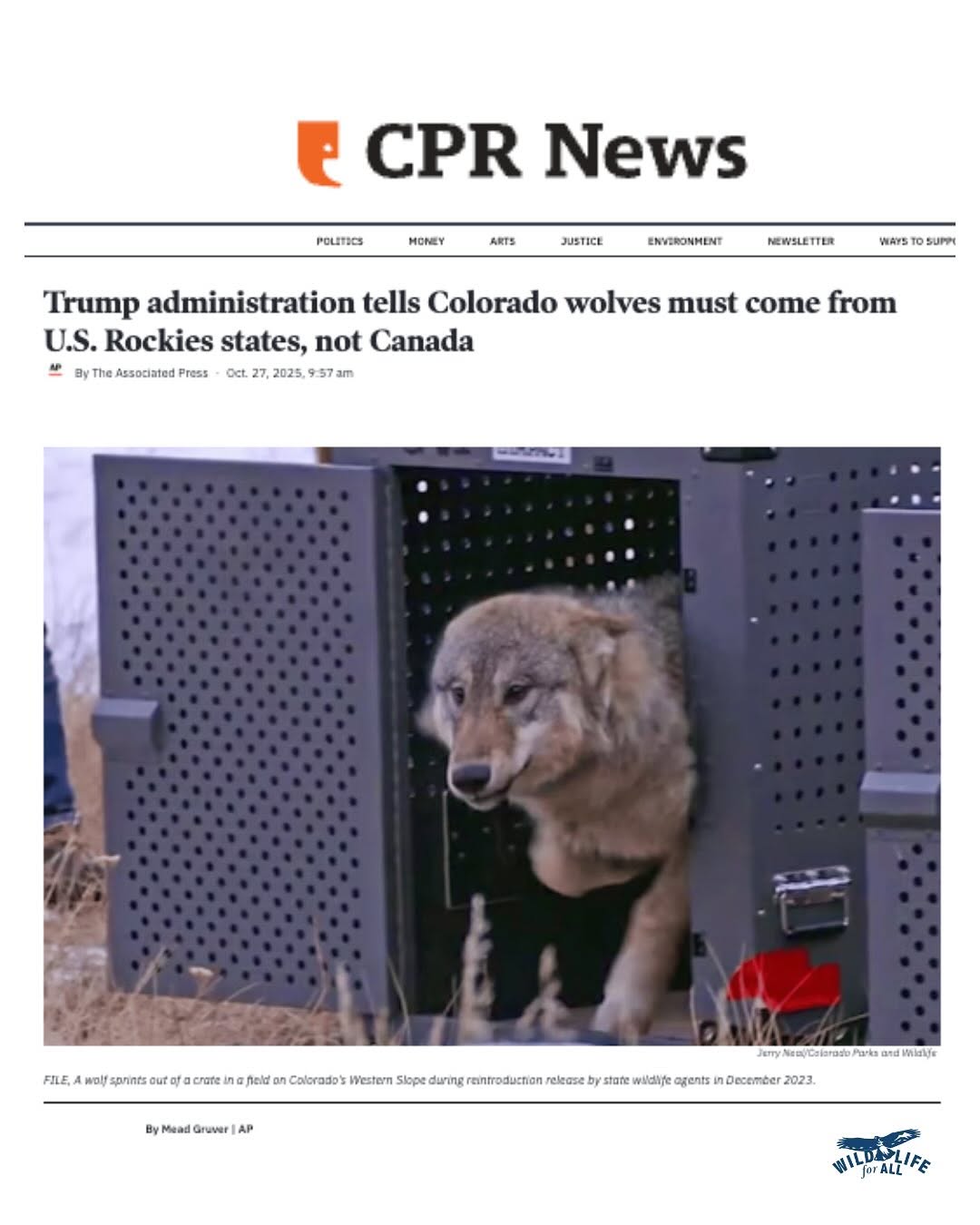
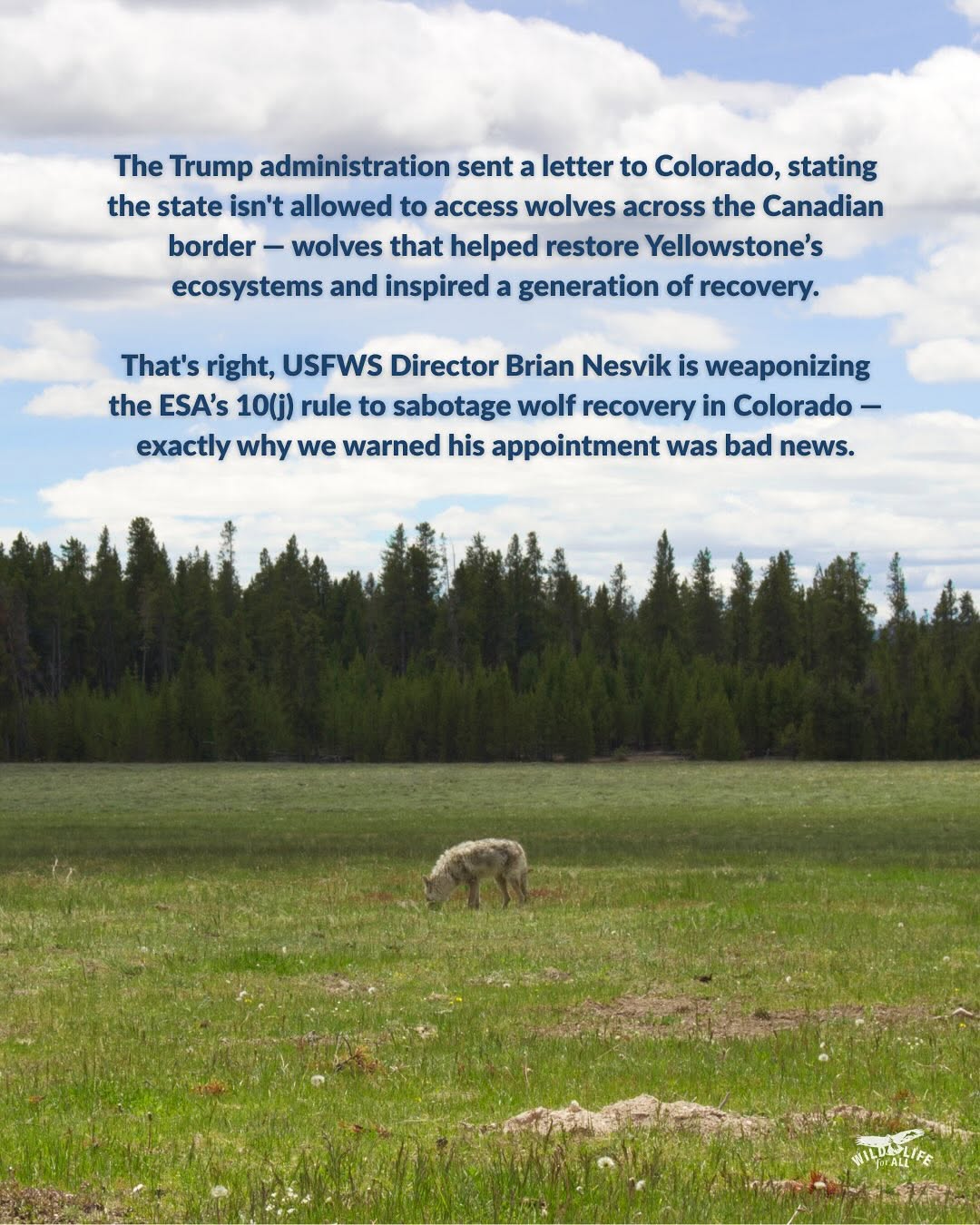
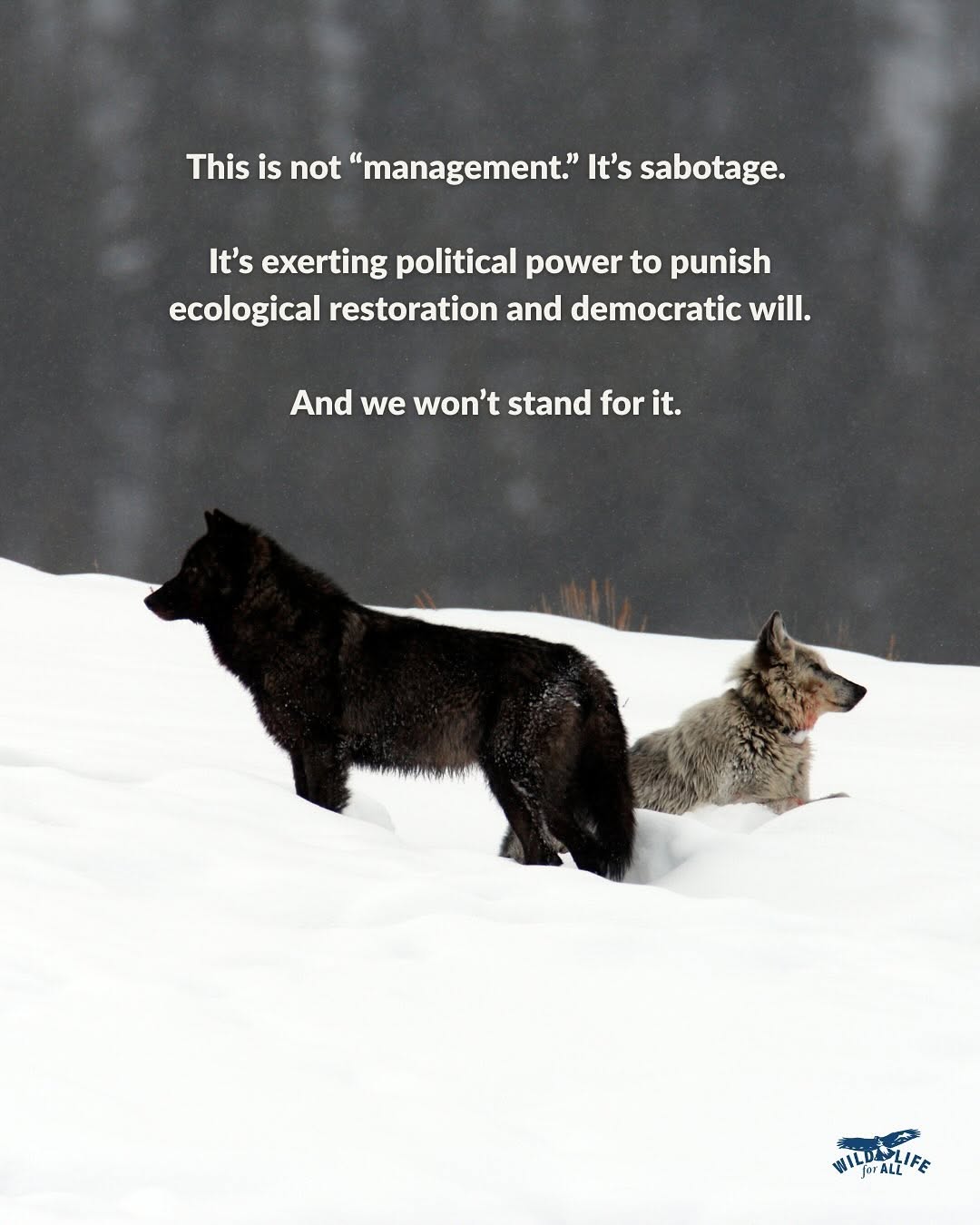
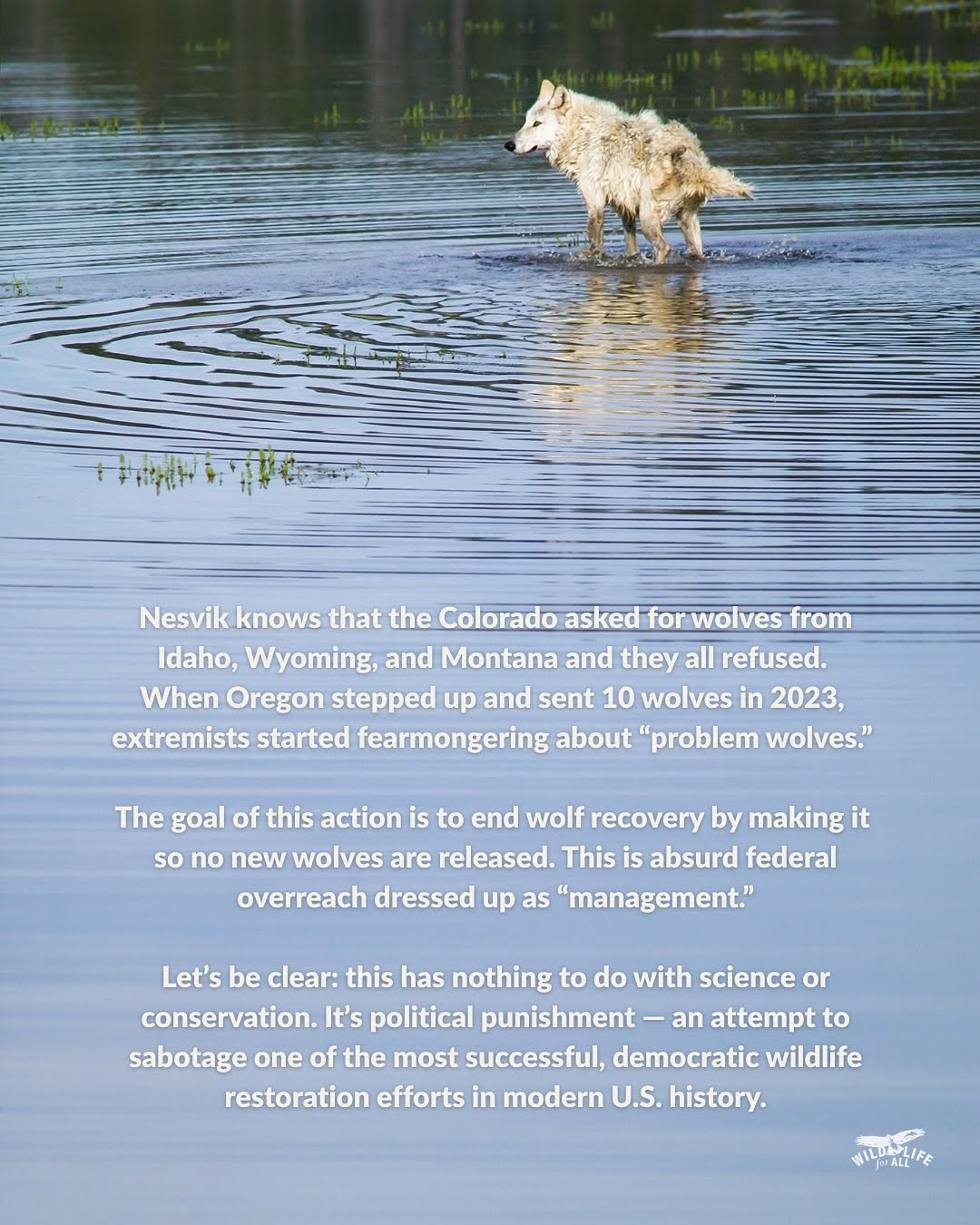
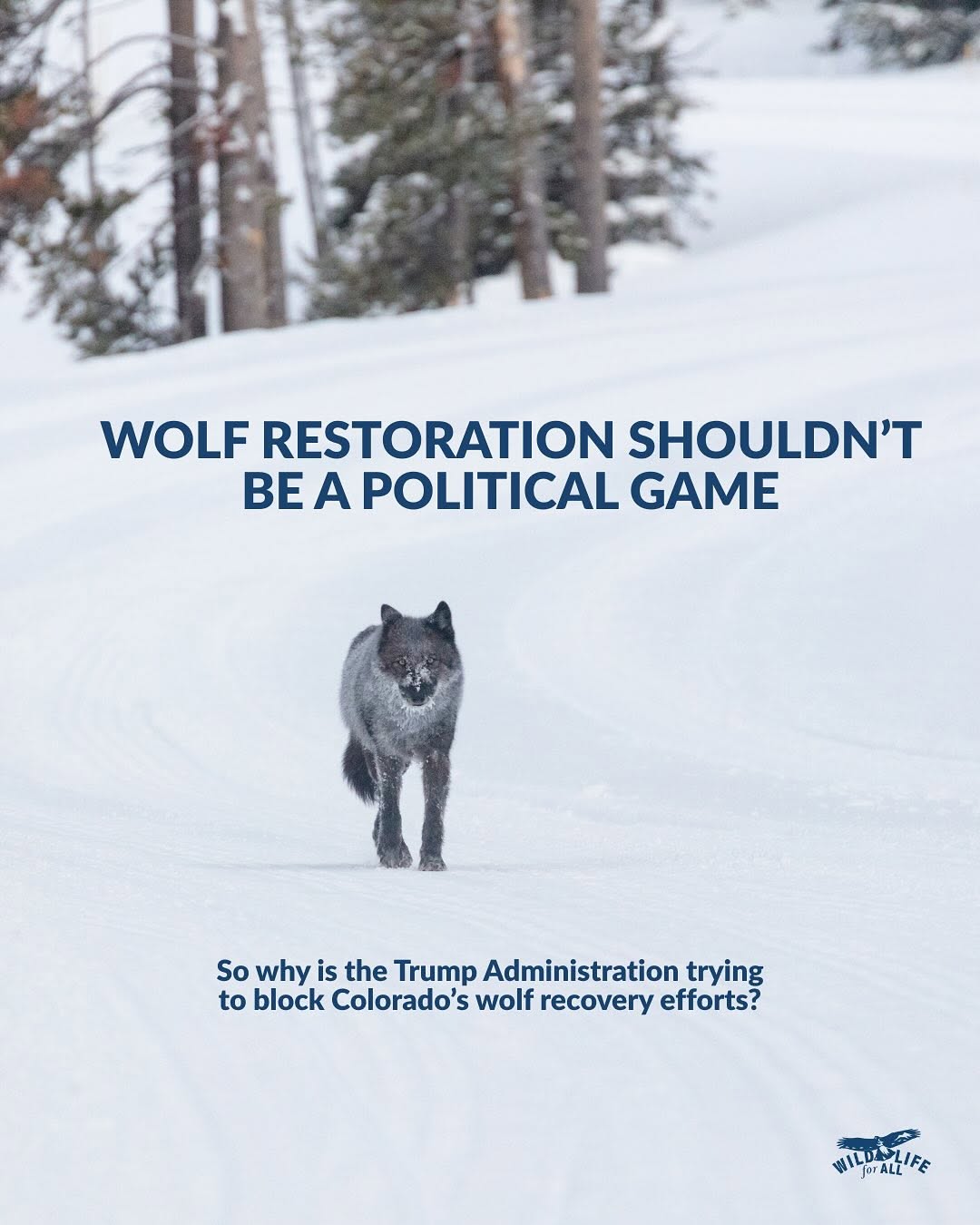
Colorado’s wolf restoration is being sabotaged — not by science or the public, but by politicians playing games with native wildlife. The Trump administration sent a letter to Colorado, stating the state isn’t allowed to access wolves across the Canadian border — the very same wolves that helped restore Yellowstone’s ecosystems and inspired a generation of recovery. That’s right, USFWS Director Brian Nesvik is weaponizing the ESA’s 10(j) rule to sabotage wolf recovery in Colorado — exactly why we warned his appointment was bad news for wildlife. He knows that the Colorado asked for wolves from Idaho, Wyoming, and Montana and they all refused to provide animals for Colorado’s restoration effort. When Oregon finally stepped up and sent 10 wolves in 2023, extremists started fearmongering about “problem wolves.” The goal of this action is to end wolf recovery by making it so no new wolves are released. This is absurd federal overreach dressed up as “management.” Let’s be clear: this has nothing to do with science or conservation. It’s political punishment — an attempt to sabotage one of the most successful, democratic wildlife restoration efforts in modern U.S. history. Colorado voters chose wolf restoration. Now the feds are bending over backwards for the same anti-conservation interests that have spent decades killing wolves, undermining ESA protections, and blocking coexistence at every turn. Public lands belong to all of us. Wildlife belongs to all of us. And no administration — red, blue, or otherwise — gets to weaponize federal power to silence the will of the people or the recovery of a native species. Democracy for wildlife means decisions made by science and the public — not industry insiders and political operatives, nor states and federal officials who want to turn native wildlife into pawns in a culture war. But we see through the games. Because if it starts with wolves, where does this tampering end? We know they want to end the ESA, turn our national parks into privatized playgrounds, sell off public lands, and generally open everything to more industry, development, and extraction. We’re watching. And we’re not backing down.
2025-11-05
 960
960
960
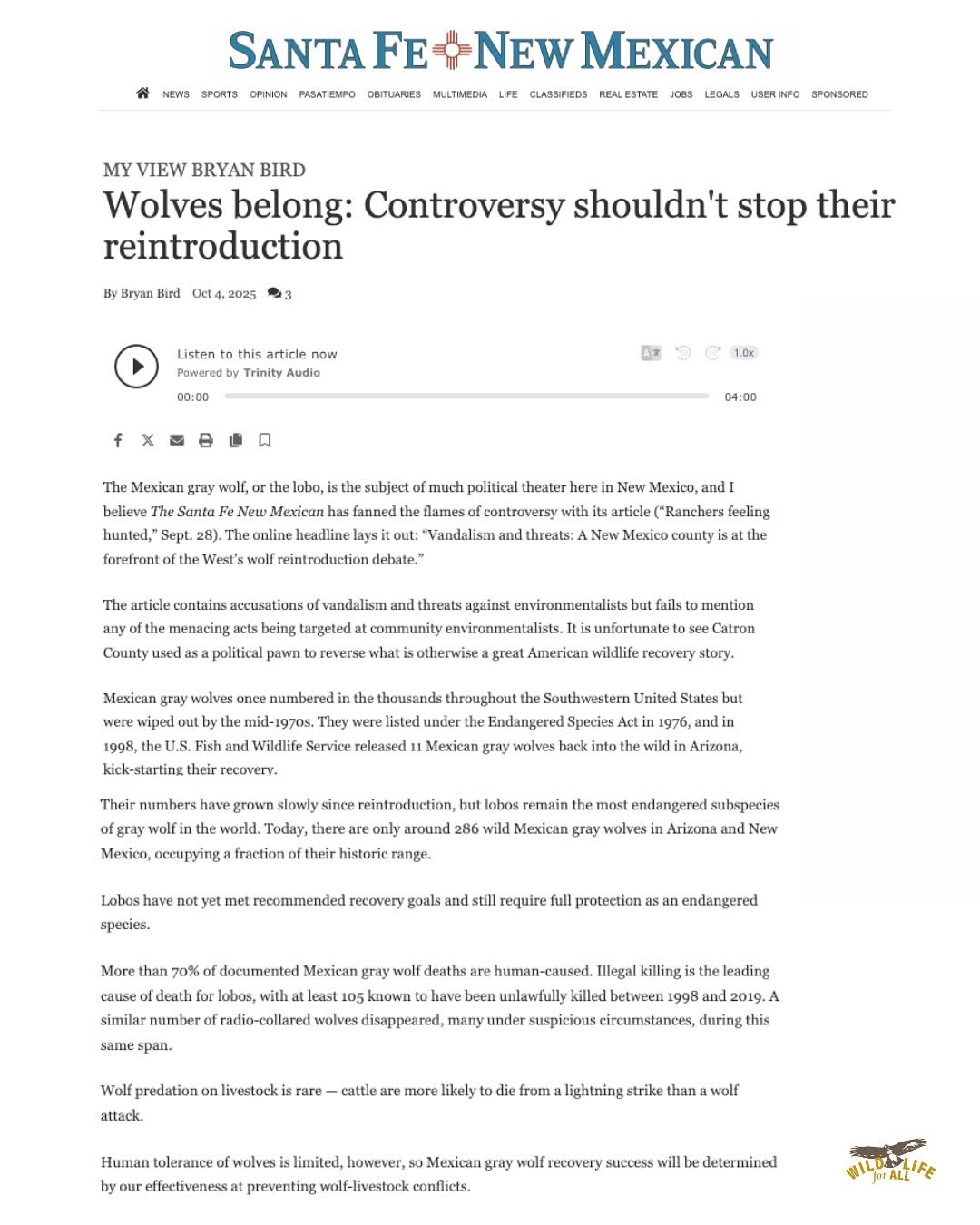
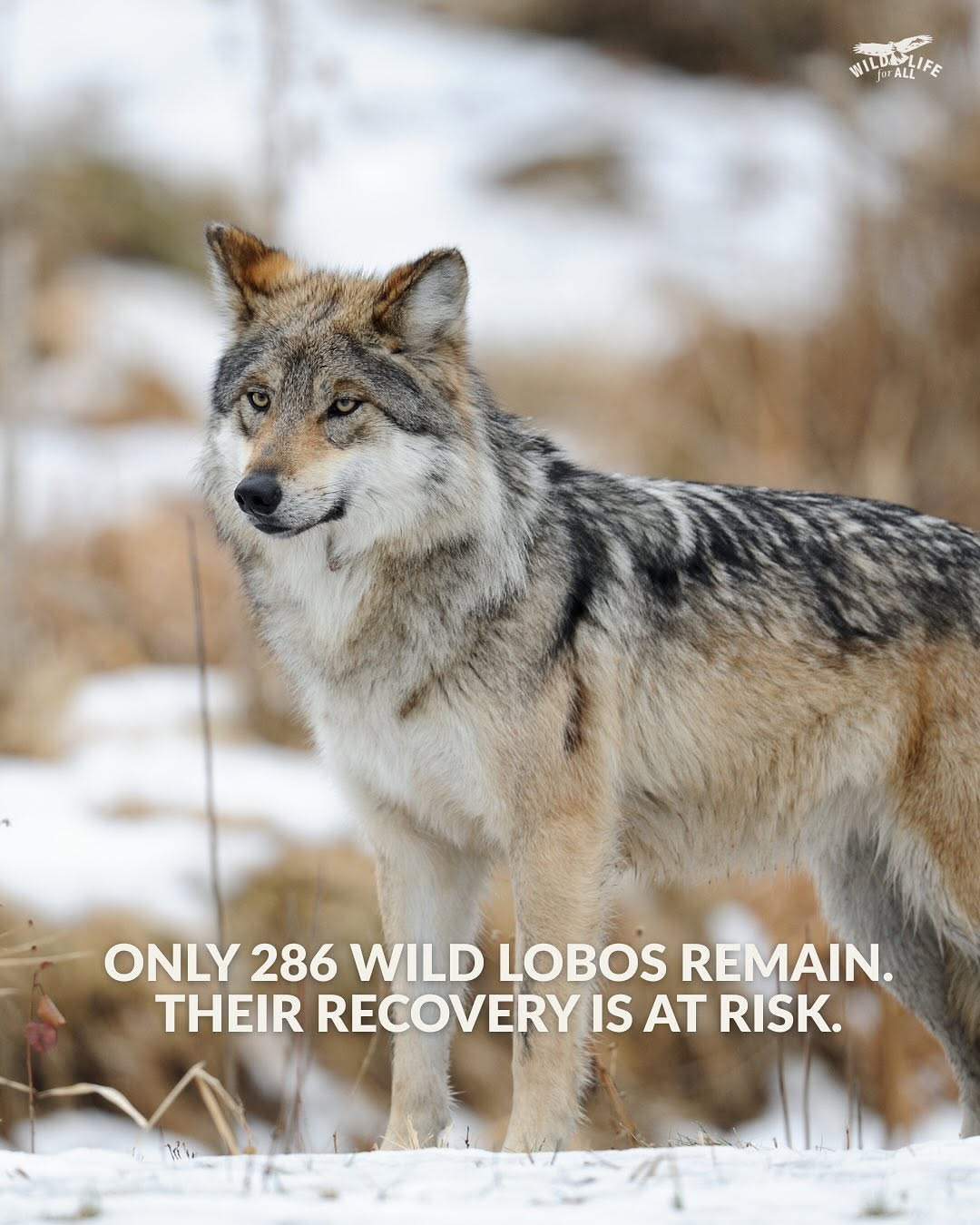
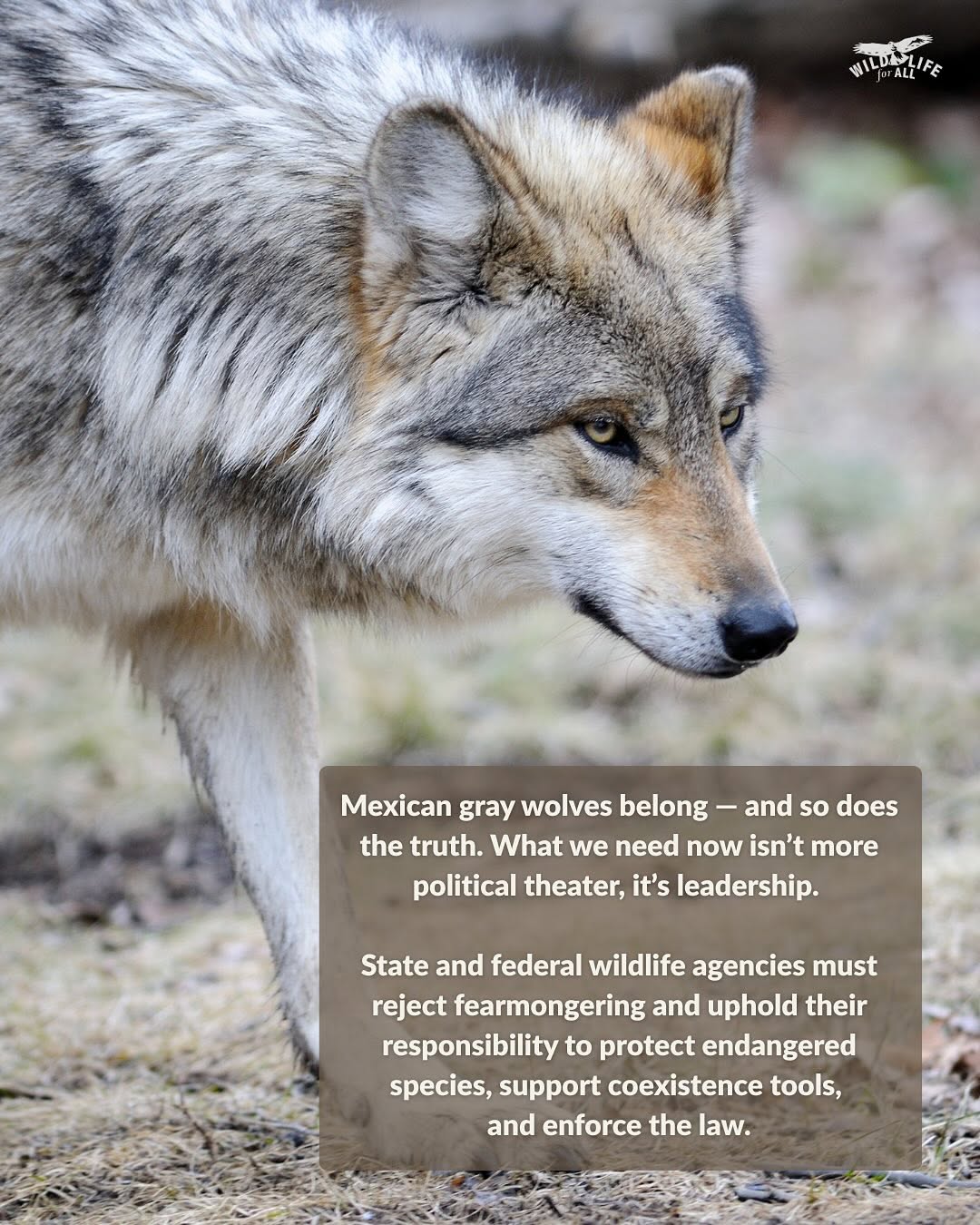
Wolves belong — and so does the truth. Recent headlines about Mexican gray wolf recovery in Catron County, NM, have focused on “controversy” — but left out key facts. Yes, there has been some vandalism — but there has also been hostility at targeted conservationists and community members working to protect wolves. But you know, that’s not even the point. What’s really at stake isn’t just a local dispute — it’s the future of democracy and science-based wildlife governance in the Southwest. Lobos once roamed the region in the thousands before being wiped out by the 1970s. Now, only about 286 survive in Arizona and New Mexico. More than 70% of known wolf deaths are human-caused, even as ranchers grazing on public lands receive millions in subsidies and support for coexistence tools. This isn’t about “ranchers vs. wolves.” It’s about whether public lands — and wildlife — are managed for the common good, or captured by fear and political pressure. Wolves belong. Facts matter. And coexistence is still possible. Coexistence tools, compensation programs, and thoughtful management exist, yet political pressure continues to undermine recovery. What we need now isn’t more political theater — it’s leadership. State and federal wildlife agencies must reject fearmongering and uphold their responsibility to protect endangered species, support coexistence tools, and enforce the law. The recovery of the lobo is one of the great wildlife stories of our time — and it’s not over yet. Let’s make sure it ends with coexistence, not extinction. Read the full op-ed from Bryan Bird of Defenders of Wildlife to understand why protecting lobos is both a conservation and a governance issue: https://www.santafenewmexican.com/opinion/my_view/wolves-belong-controversy-shouldnt-stop-their-reintroduction/article_b747cef4-bdce-467c-820e-813961a378c9.html (link also in bio)
2025-11-05
823
823
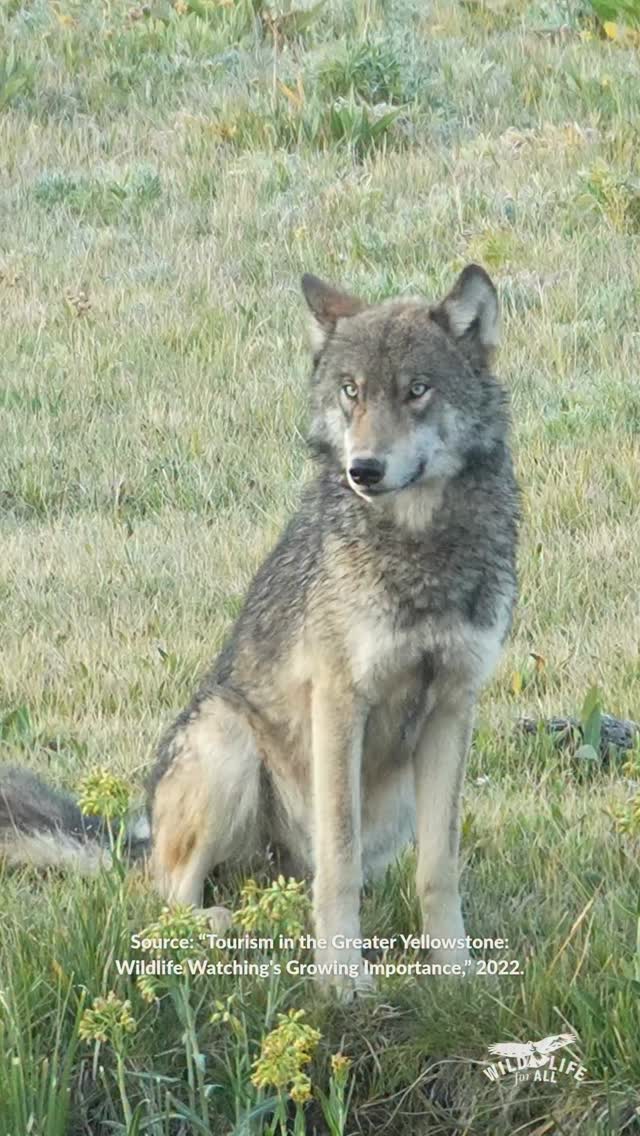

Wolf Awareness Week 2025 may have ended Saturday — but one fact bears repeating: a living wolf is worth more economically than an entire season of “predator control.” In the Yellowstone ecoregion alone, a single wolf contributes an estimated $500,000 each year to the regional economy through wildlife tourism. That’s proof that thriving wolves aren’t just a conservation win — they’re a community and economic win. Yet the livestock industry keeps pushing policies that destroy that value — and our shared natural heritage — for private gain. State and federal wildlife agencies then spend public money killing wolves under the guise of “management.” It’s time to stop letting industry lobbyists dictate wildlife policy. If we truly care about rural economies and healthy ecosystems, we need to invest in coexistence, education, and evidence-based solutions — not outdated policies rooted in cruelty. Healthy ecosystems and healthy economies go hand in hand. Wolves are living proof. Let’s protect what truly sustains us.
2025-11-05
1328
1328
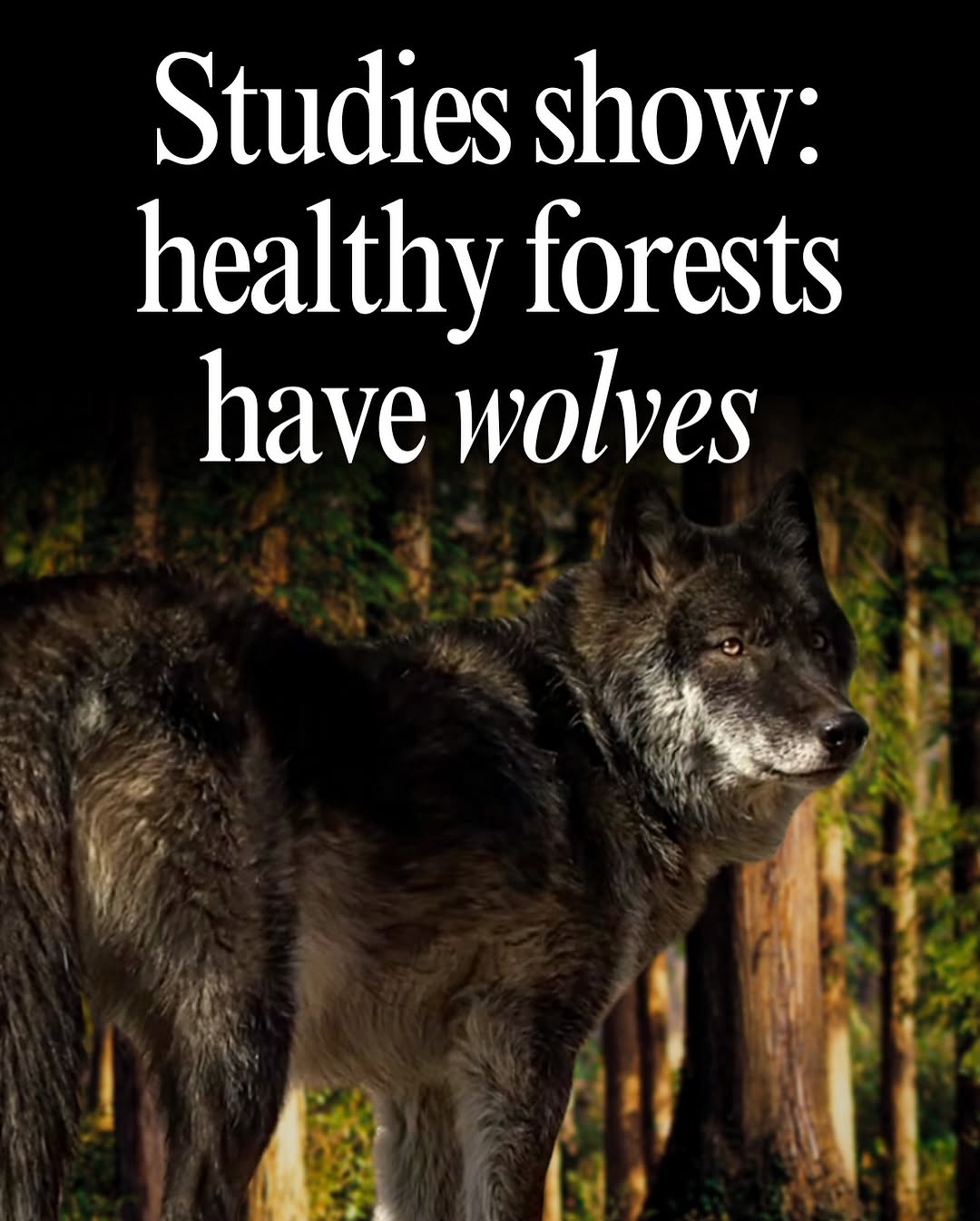
For decades, widespread absence of wolves enabled large populations of browsing herbivores—particularly elk—to suppress young tree growth in many western forests. Now, mounting peer-reviewed science confirms that when apex carnivores like wolves are restored, forests begin to regenerate. In Yellowstone National Park, for the first time in 80 years, a new generation of aspen (Populus tremuloides) is emerging in the over-story layer. Researchers found that roughly one-third of the 87 surveyed aspen stands now contain healthy tall saplings. The key driver? Declines in elk browsing pressure mediated by wolf predation and behaviour change.  Meanwhile, in Colorado, wildlife ecologists note that as wolves are restored and ecosystems begin the long recovery process, early indicators suggest potential for aspen and willow recovery as herbivore suppression is gradually restored.  The evidence underscores a fundamental ecological truth: Wolves don’t just belong in wild places—they are ecosystem engineers. Their presence helps re-establish natural trophic-interactions, allowing forests to thrive. This #WolfAwarenessWeek, stand with science: advocate for wolf-friendly conservation policies, support habitat connectivity for wolves, and help us protect the full suite of biodiversity that depends on top predators. Join the pack and learn more at TeamWolf.org???? #teamwolf #wolf #wolfsanctuary #apexprotectionproject #wolvesofinstagram #wolfdog #wolfdogsofinstagram #wolfdogcommunity #wolfpack #wolfrescue #rescue #nonprofit #nonprofitorganization #animallovers #animals #wildlife #saveourwolves #endangeredspecies #stopextinction #advocate #conservation #stopthehunt
2025-11-05
2535
2535
74% of wolf deaths worldwide are caused by humans. Not disease. Not starvation. Us. In Montana and across the Northern Rockies, wolves are being killed at staggering rates through hunting, trapping, and lethal government actions that disguise eradication as management. Each death is more than a number. Wolves are highly intelligent, family oriented mamals. When even one wolf is killed, an entire pack can unravel. Pups starve, mates scatter, territories fall silent. The loss ripples through the landscape when we lose even a single apex predator. Recently, Montana approved the killing of up to 558 wolves, the highest quota in recent history. Even “protected” wolves from Yellowstone, wolves born inside a national park, can be legally shot the moment they cross an invisible boundary line. Science shows us that this isn’t conservation. It’s cruelty disguised as policy. Human-caused wolf mortality doesn’t just reduce numbers; it destabilizes entire ecosystems. This #WolfAwarenessWeek, remember: there is no such thing as the “Big Bad Wolf”. Choose nonlethal coexistence over killing. Speak up for science-based management. Refuse to let politics destroy our wildlife. Because when we fall silent, so does the howl. #teamwolf #wolf #wolfsanctuary #apexprotectionproject #wolvesofinstagram #wolfdog #wolfdogsofinstagram #wolfdogcommunity #wolfpack #wolfrescue #rescue #nonprofit #nonprofitorganization #animallovers #animals #wildlife #saveourwolves #endangeredspecies #stopextinction #advocate #conservation #stopthehunt
2025-11-05
3584
3584
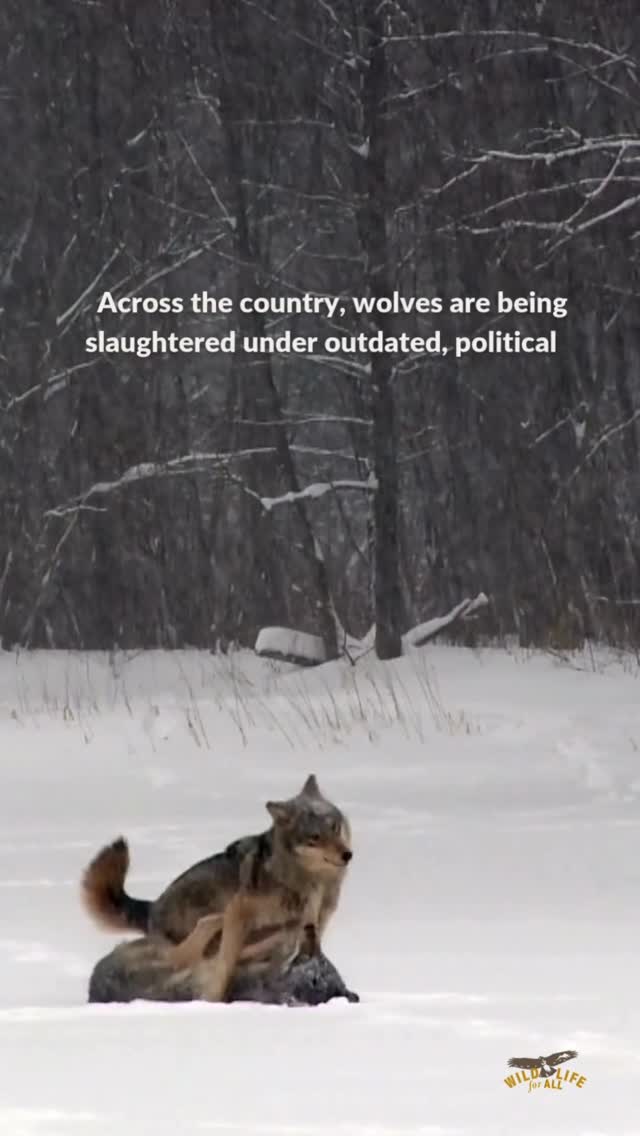
???? It’s Wolf Awareness Week — and while this should be a time to celebrate, the truth is hard to face: wolves are under siege across the country — not because of ecological conflict, but because outdated, undemocratic state wildlife systems have handed power to the industries that profit from their absence. But there is hope: from court wins to coexistence efforts, grassroots organizing is fighting back. Wolves don’t need “management.” They need justice — and governance systems rooted in science, democracy, and respect for all life. Read more on our blog: wildlifeforall.us/wolf-awareness-week-2025 #WolfAwarenessWeek
2025-11-05
1820
1820
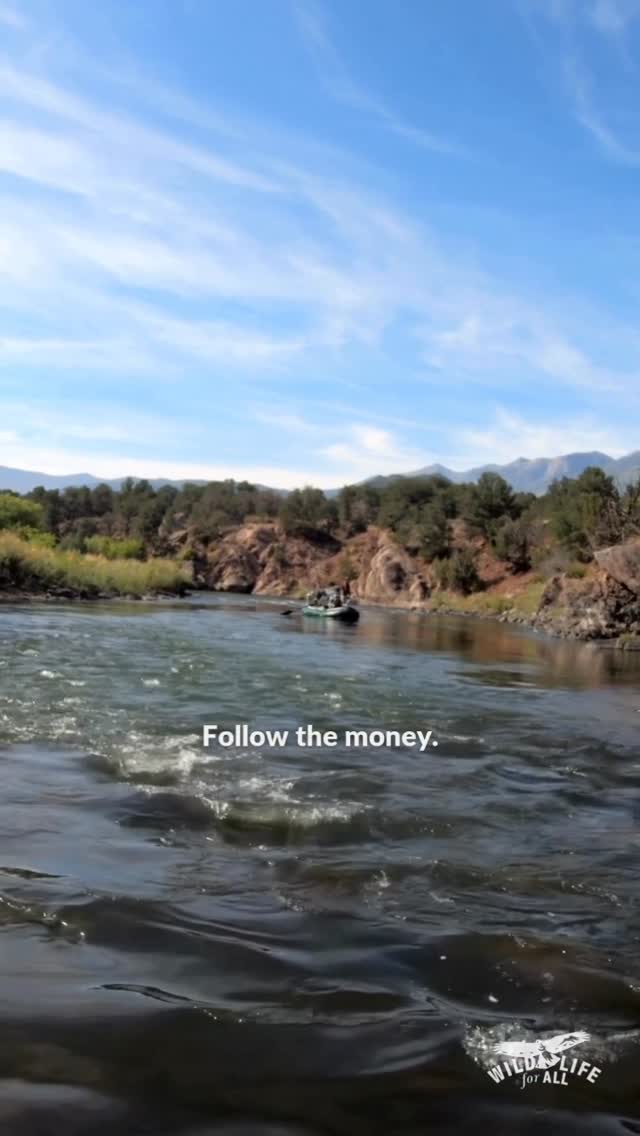
If you want to understand why state wildlife agencies act the way they do, follow the money. Most state agencies still depend on a 20th-century funding model built around hunting and fishing license sales — and federal excise taxes on guns and ammunition (73% of which come from non-hunting sources). But today, that model excludes most of the public while leaving the majority of species without meaningful protection. The result? -Agencies overly focused on “game” species. -Vulnerable wildlife left to decline without funding. -Agency staff view consumptive users as their main stakeholders. -And policymaking that favors special interests over science and shared values. That’s not by accident. It’s by design — and it keeps our public agencies politically captive to a narrow set of interests. Their budgets — and their political incentives — are built around serving a narrow slice of the public. Meanwhile, more than 80% of Americans enjoy wildlife through hiking, birding, photography, or simple coexistence. Yet those voices rarely have a seat at the funding table. This year, Oregon came close to passing a visionary solution — the “1% for Wildlife” bill: a single percent to the state’s lodging tax—paid by visitors—to fund species recovery and habitat restoration. The proposal had broad, bipartisan support — from hunters and humane groups to Indigenous tribes, scientists, and wildlife rehabilitators. Then, two senators used a backroom procedural move to block this bill that should have been a model for the nation from ever getting a hearing. No debate. No vote. No democracy. The truth is, wildlife funding shouldn’t come down to lottery sales, license fees, or last-minute political games. Ideally, states would invest general fund dollars in wildlife conservation — the same way they fund education, health, and public safety — because protecting life on Earth should be a core public priority, not an afterthought. If you’re ready to build a system where funding reflects today’s values, today’s science, and today’s democracy, join us.
2025-11-05
129
129
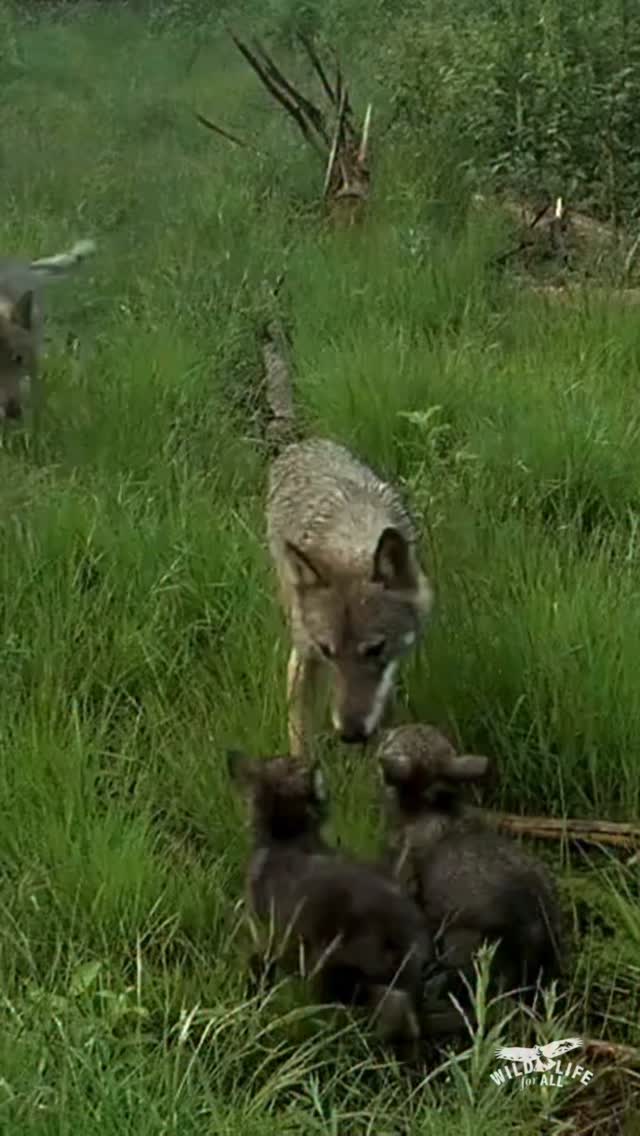
If you care about wildlife, you should care about who makes the decisions. In almost every state, major decisions about wildlife aren’t made by scientists, communities, or the broader public. They’re made by appointed commissions — small groups of political insiders, often dominated by hunters, ranching interests, or developers. These commissions: aren’t elected by the people, are often stacked with special interests, and yet they wield extraordinary power over life and death decisions for wildlife. They decide whether wolves get hunted, whether traps stay legal, whether species are protected or ignored. And yet, most people don’t even know these commissions exist. If we want a system that reflects modern science, ecological realities, and public values, commission reform is non-negotiable. This is where power lives. And this is where we can change it. There’s hope: New Mexico passed SB5 this spring, a transformative piece of legislation that lays the groundwork for similar reforms nationwide. It modernizes the mission of the Department of Game and Fish to broaden it beyond managing game species to include “any species of wildlife” and to consider “the science-based reasons for protection of a species.” It changes the name of the commission and department to reflect their authentic conservation goals: the State Wildlife Commission and Department of Wildlife. It establishes a professionalized, nonpartisan Wildlife Commission with new qualifications, emphasizing scientific expertise and diverse representation, including tribal and conservation perspectives and limits terms. A nominating committee will consider candidates and make recommendations to the government for appointments. And it increased state agency funding. This is what systemic change looks like: shifting power so wildlife decisions reflect the values of all New Mexicans—not just a few. If we want wildlife managed for all life, we need more wins like SB5.
2025-11-05
409
409
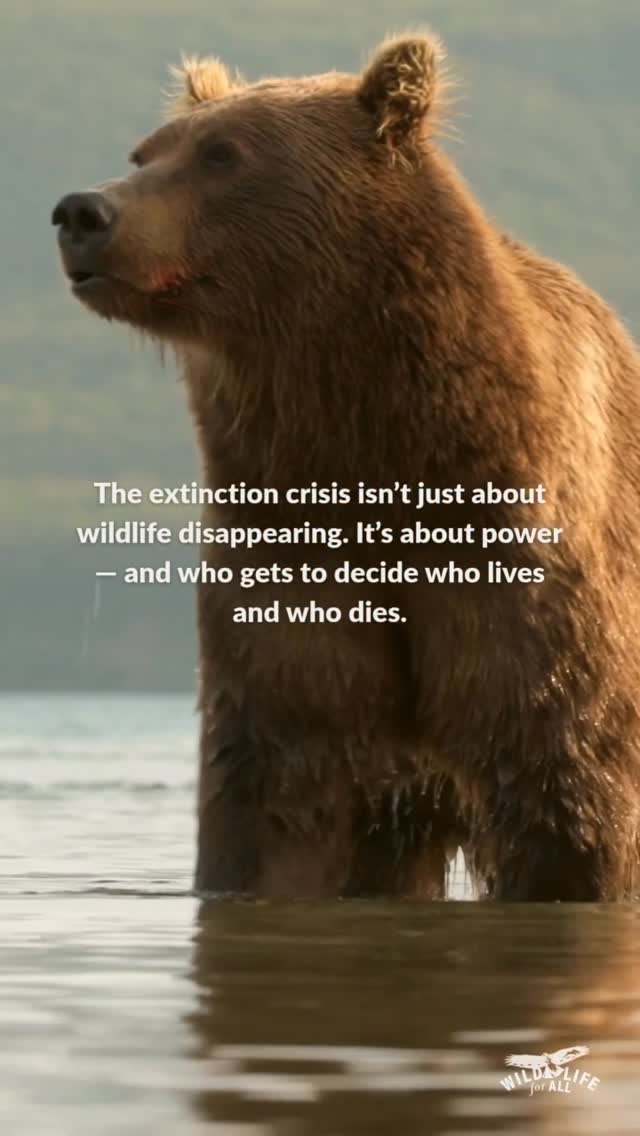
The extinction crisis isn’t just about wildlife disappearing. It’s about power — and who gets to decide who lives and who dies. Right now, a century-old system built to serve hunting interests is failing the rest of us. Small mammals, birds, amphibians, and insects are vanishing at alarming rates — and decisionmakers who could effect change are too often captured by the very industries driving ecological collapse. This isn’t an accident. It’s a political choice. The same corporate and billionaire interests blocking climate action, gutting democratic safeguards, and flooding our politics with money are the ones benefiting from a wildlife system without sufficient safeguards. That’s why these fights are interconnected. We can’t protect biodiversity without defending democracy. And we can’t defend democracy without confronting the systems that put profit and power over life. Reforming state wildlife governance isn’t a niche issue. It’s one of the most powerful ways we can build a future where all life thrives. This movement is powered by people — not industry lobbyists, not backroom deals. Here’s how you can help: -Speak up at your state wildlife commission meetings. -Share stories and raise awareness. -Organize your community to demand change. We’ve built tools to help you get started. Because wildlife belongs to all of us. ???? wildlifeforall.us/take-action And if you’re ready to take action today: Join a No Kings protest near you. www.nokings.org … Because the fight for democracy and the fight for wildlife are one and the same. ✊????
2025-11-05
705
705
