randy olson
randy olson is one of the top Photography influencer in United States with 932237 audience and 0.28% engagement rate on Instagram. Check out the full profile and start to collaborate.

932.2k
Audience
0.28%
Engagement
 United States
 Verified account
  Fast reach-out capability
 Niche categories
Photography
Portfolio
Standout projects making waves around the web

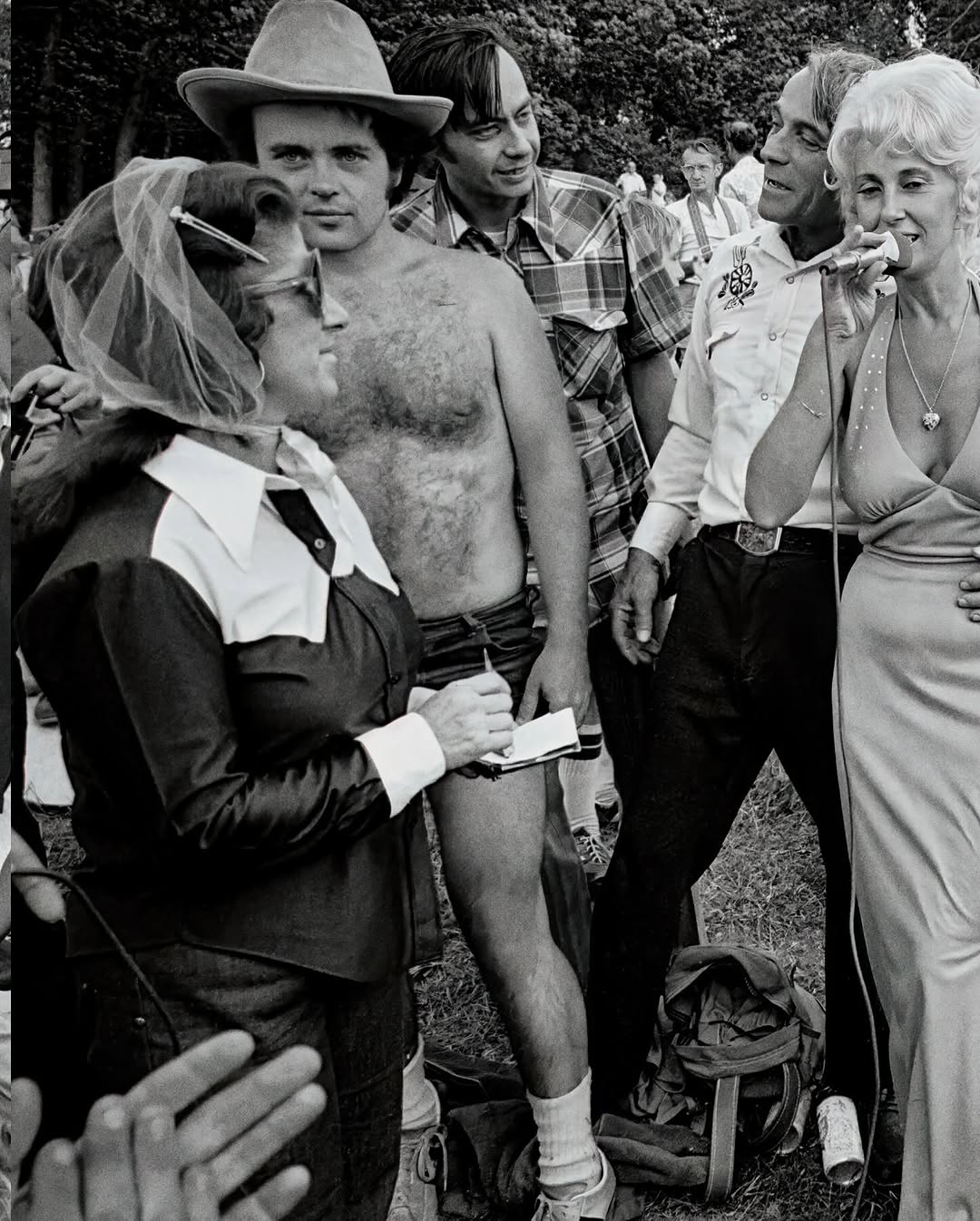
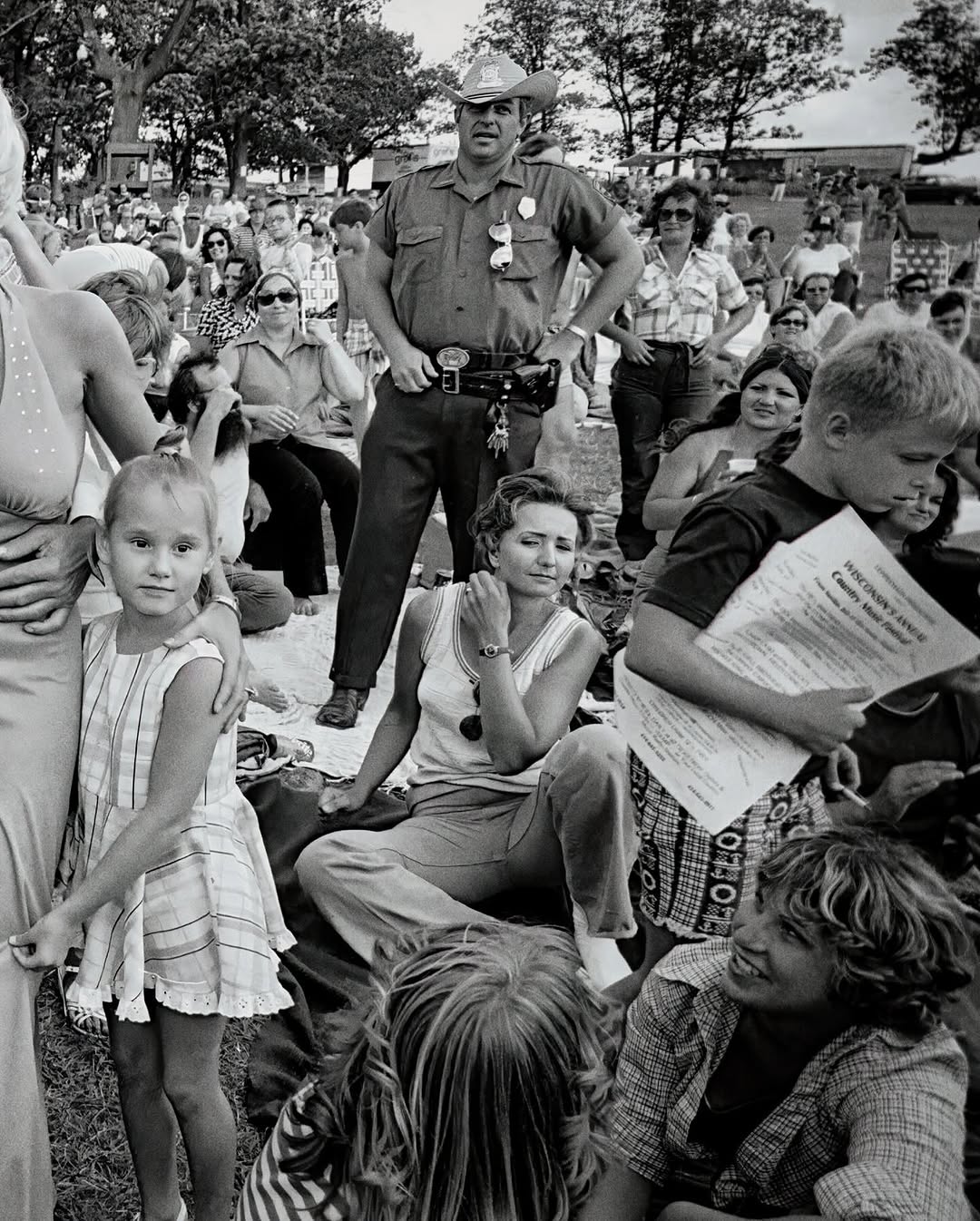
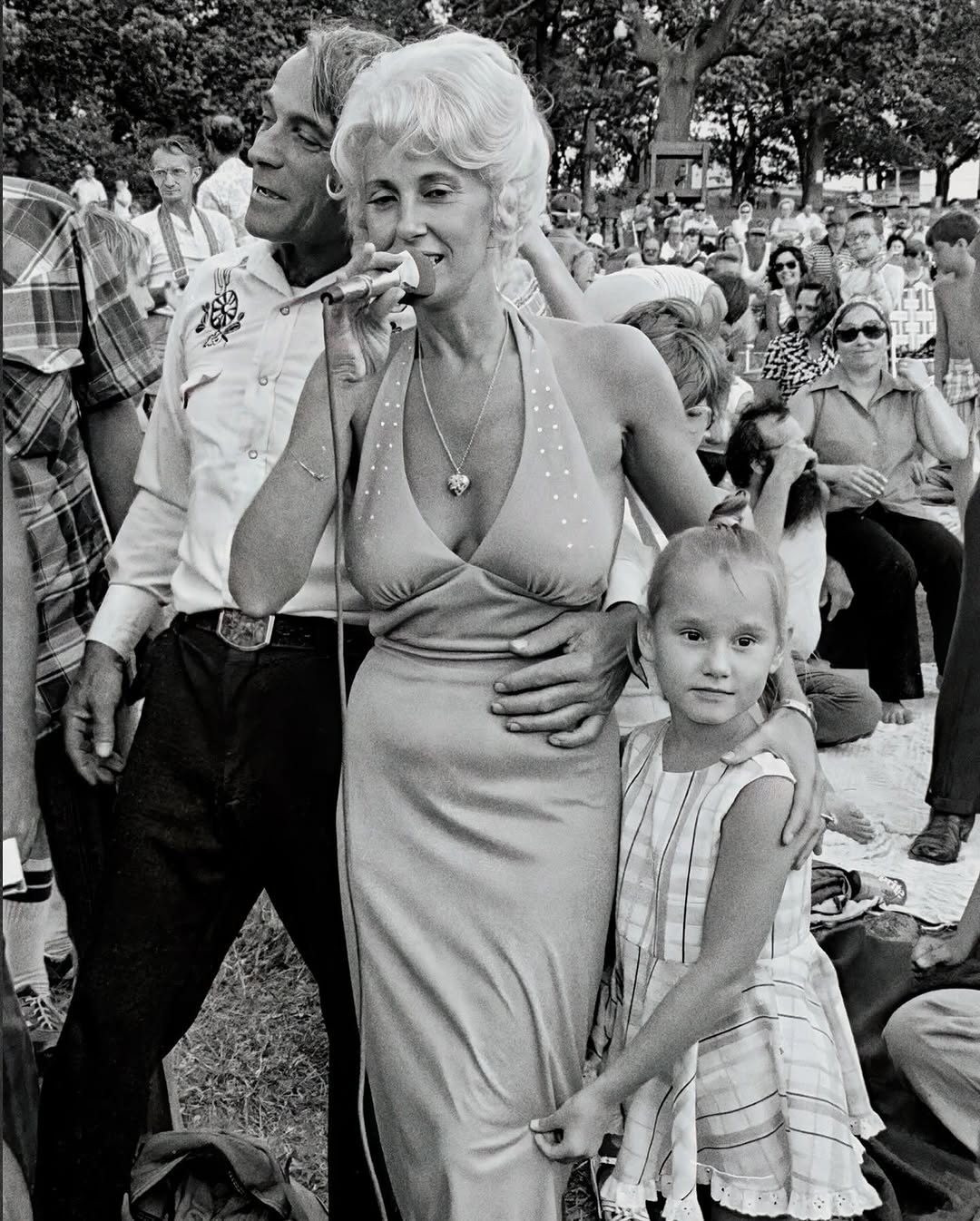
Tammy Wynette performed for car campers at a KOA campground in Wisconsin—they put up a small stage for her—as much of a stage as a KOA could muster—but she spent most of her time mingling with the crowd. Campers closed around Tammy, arms slipping gently around her waist—not sexual… more like an awkward group dance… reaching for connection. A girl (daughter?) pinches her dress, maybe dreaming of what it’s like to be her, radiant and seen. In the background, a cop stands—his body language so completely unthreatening—the opposite of how numb we’ve become to ICE thugs and militarized police as fixtures in American life. Photos, words @randyolson It’s not a great photo. But in a world where the cult of celebrity has gone berserk, and we’re dazed, confused, and isolated by our phones, it feels so innocent… so different. If you don’t know what a KOA is… look it up. What music legend would perform there now? This was a compassionate crowd and this happened way before Trump’s culture of disdain—the era when he made cruelty a political virtue, starving Americans, gutting the federal workforce, slashing USAID and PEPFAR, and killing more than 600,000 worldwide with his policies—using the office to enrich himself and his cronies—killing our soft power for “savings” that would’ve vanished if he’d just limited his endless “working” golf vacations. He sold out decency, cashed in our innocence, and replaced connection with suspicion and mockery. His shadow falls on moments like this, and it aches. I know there’s still incredible kindness in our culture: the NO KINGS rally in Portland was an example of that. But I miss the world of this photograph. #TammyWynette #KOA #countrymusic #connection #LostAmerica
2026-01-21
 1287
1287
1287
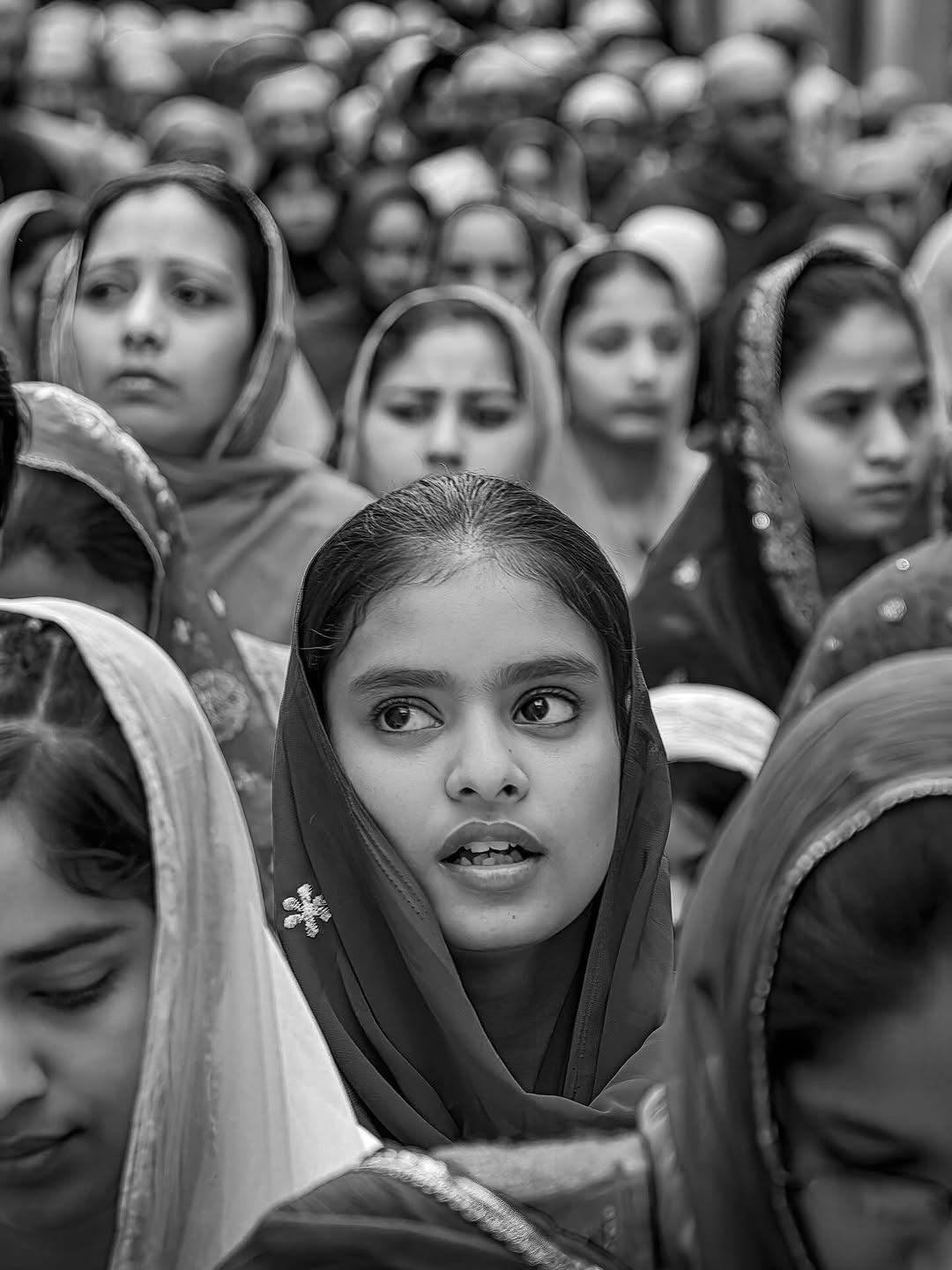
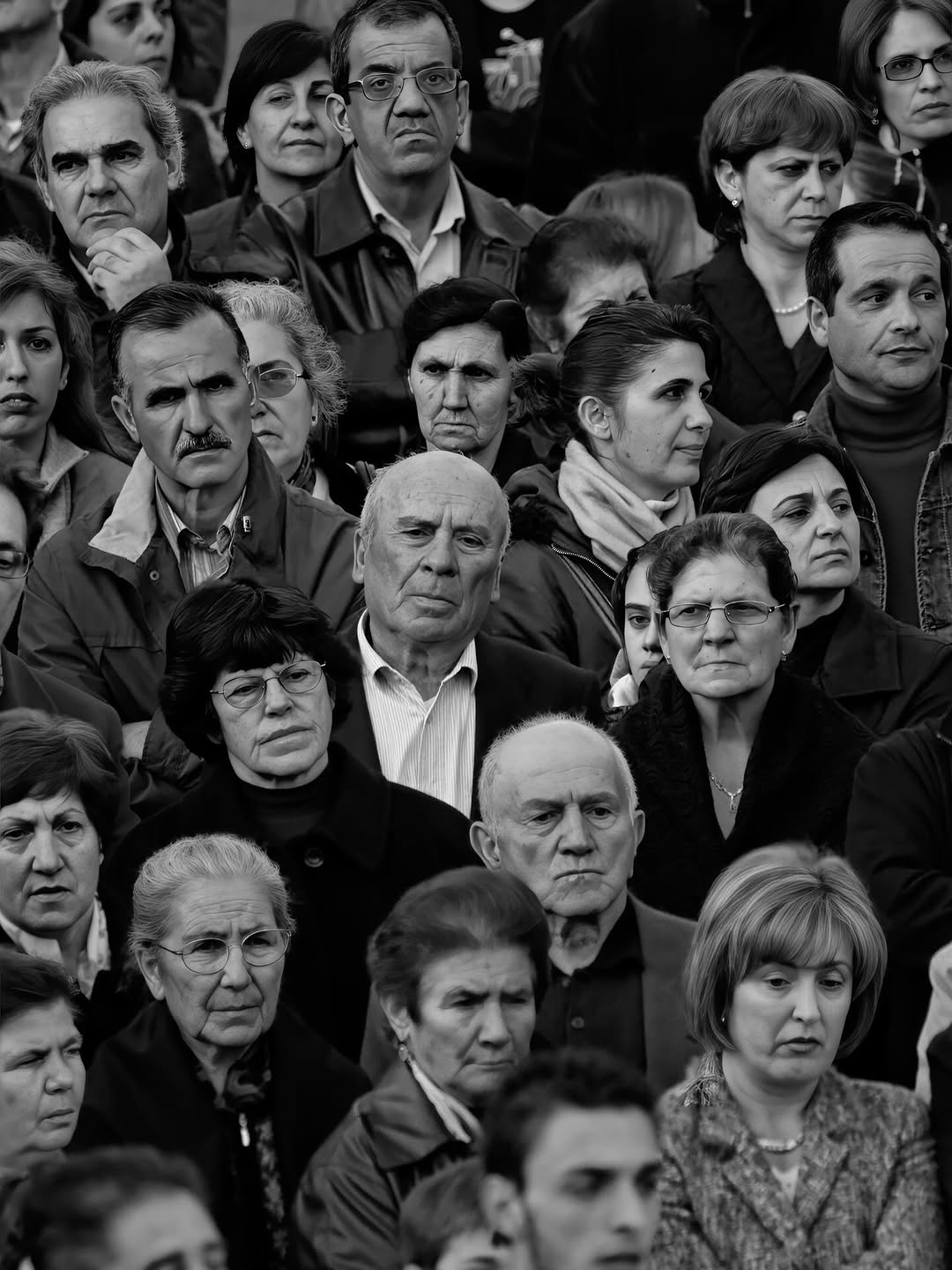
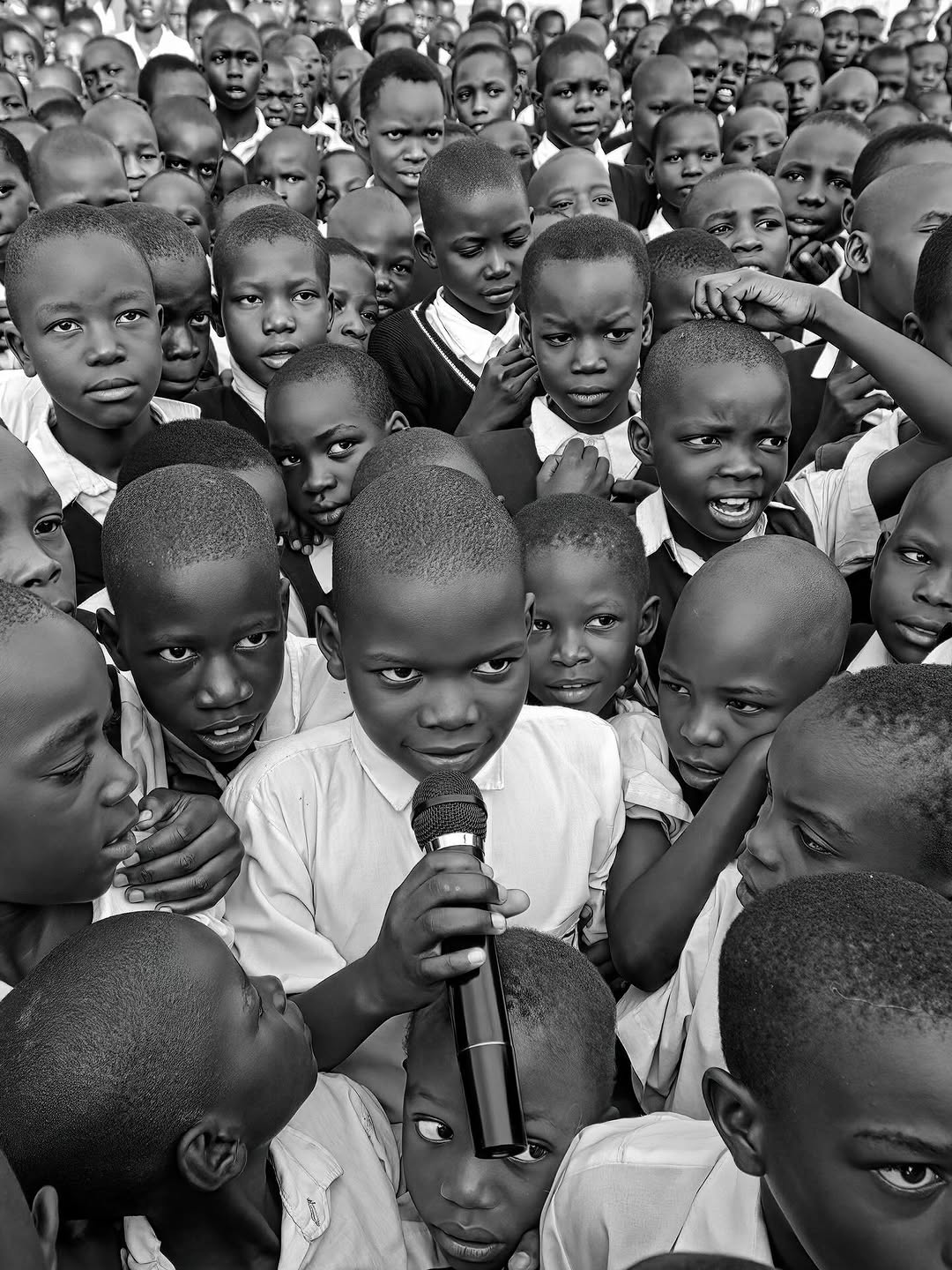
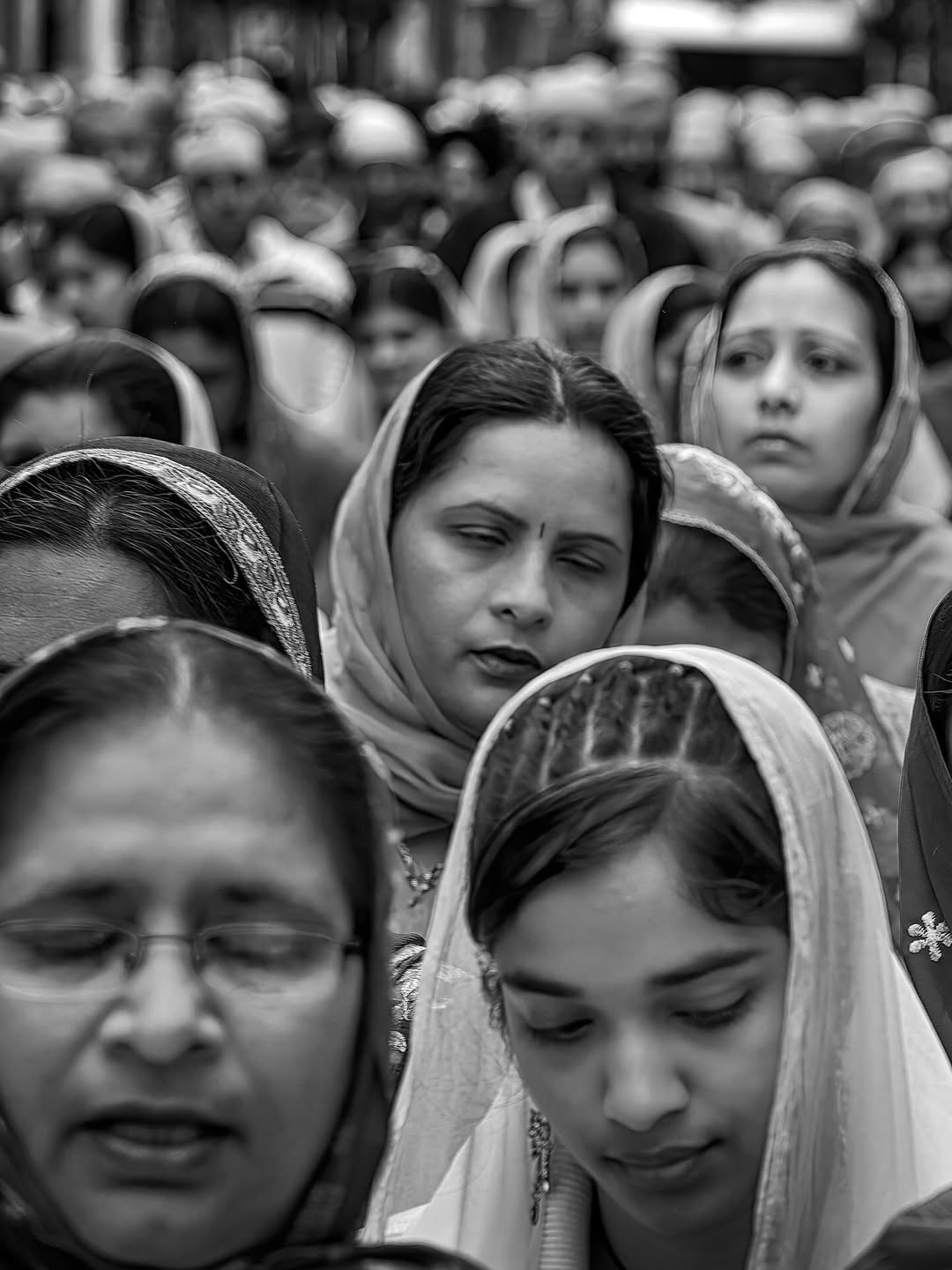
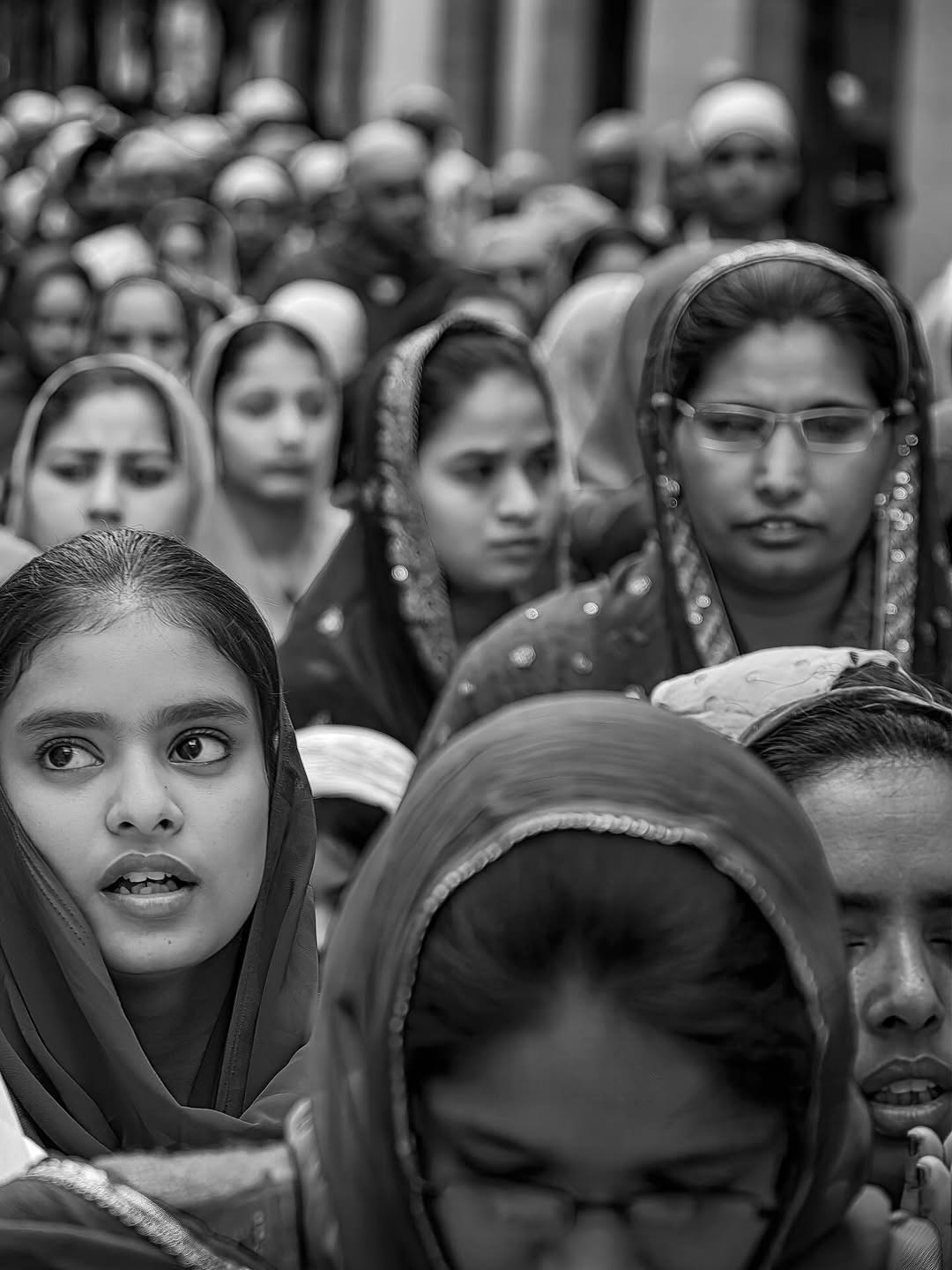
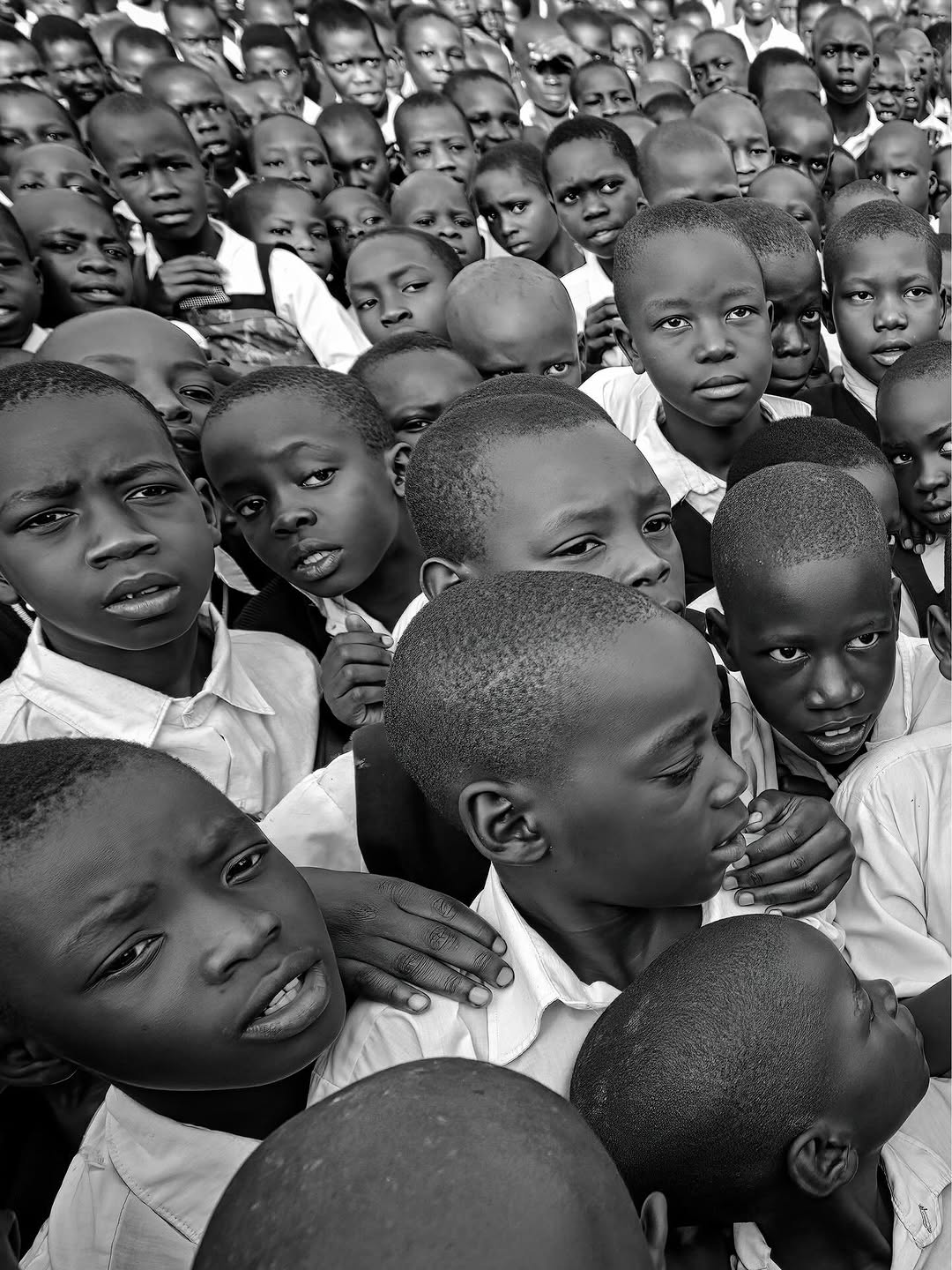
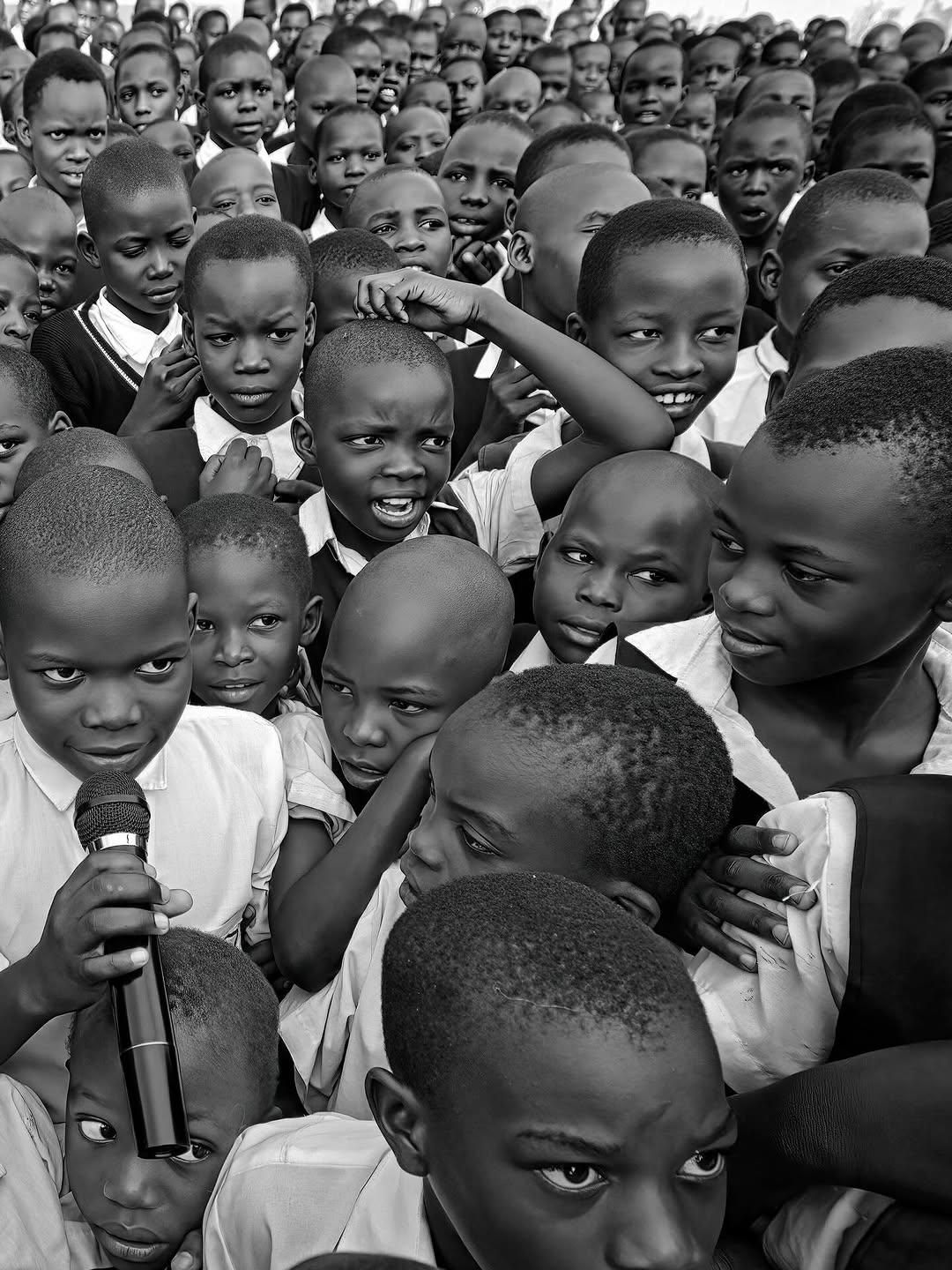
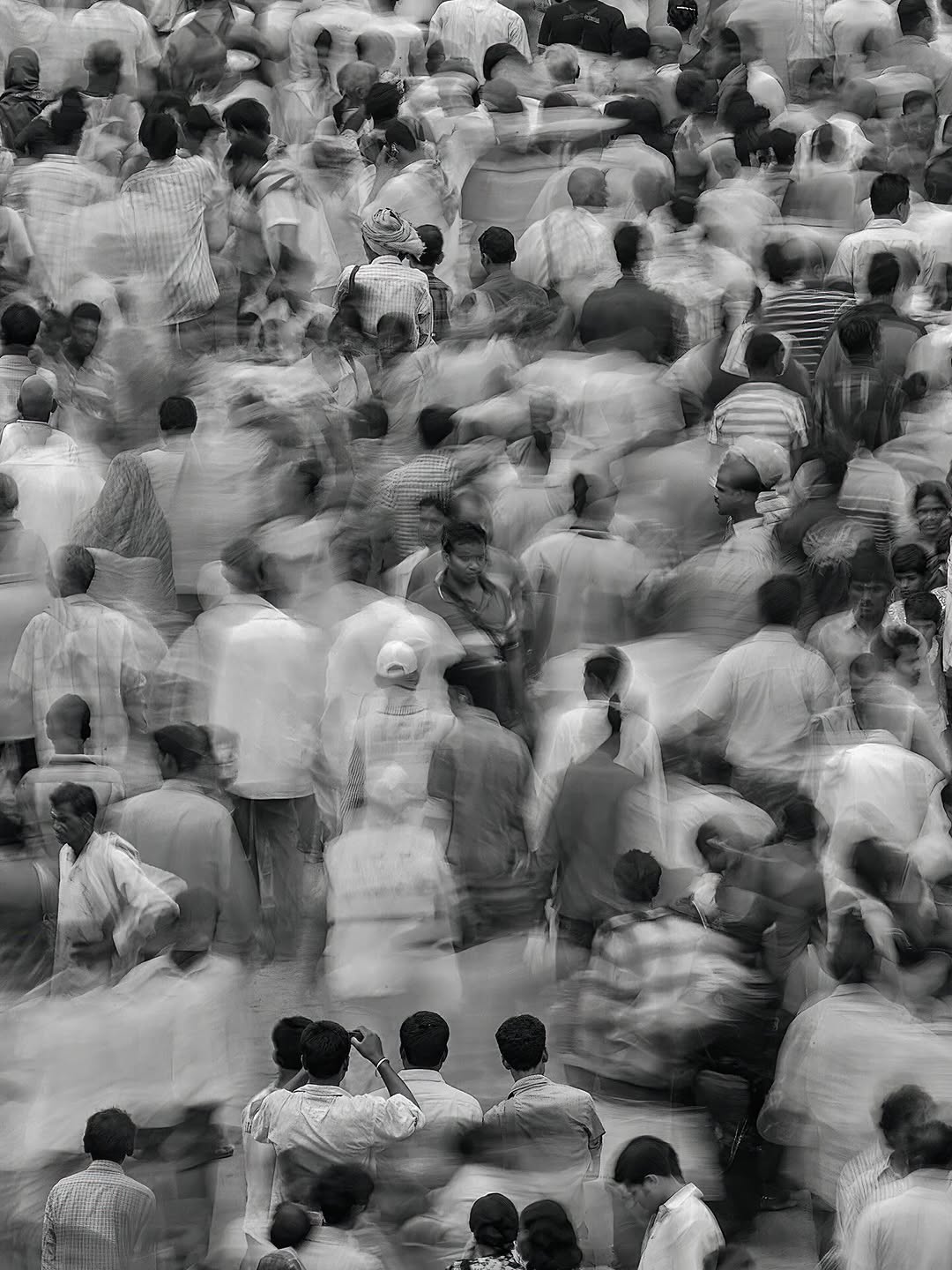
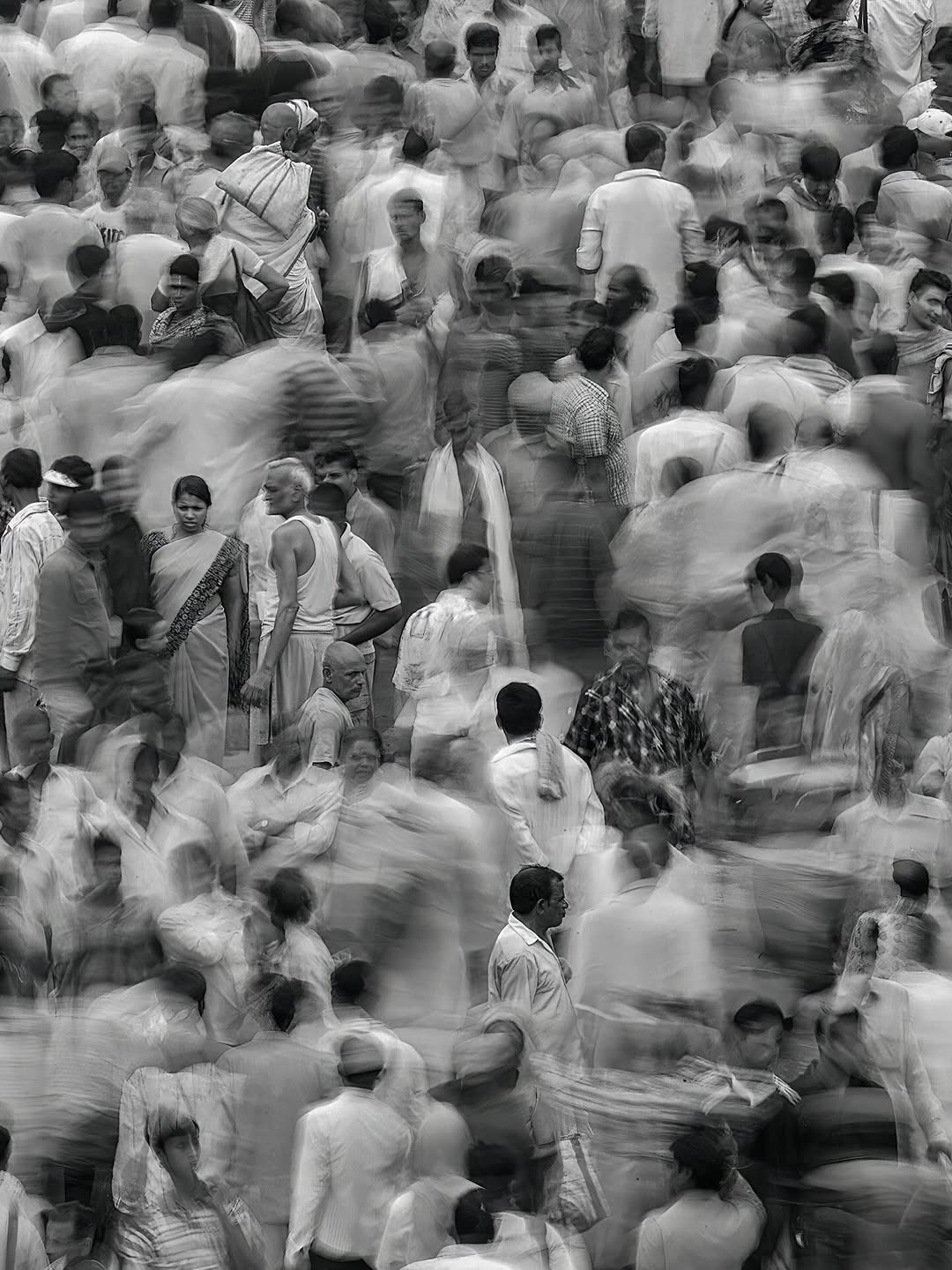
Look at these crowds. Look at the people right in front of you—the girl craning her neck to see, the old man holding his coat closed against the wind, the war orphan who suddenly finds a microphone in his hand and doesn’t yet know that speaking about his future is courage. Do you see hope, possibility, the strength of the human condition? Or do you see rapists, murderers, pedophiles and “MAYBE a few good people”? Let’s do the numbers. Murderers: so few that even counting every arrest and conviction, you still do not reach 0.01% of the population. Rapists and sexual abusers: including Trump, whom a civil jury found liable for sexual abuse—all of them together are still estimated to be well under 0.05% of the U.S. population. Civil findings of sexual abuse sit inside that same tiny slice, but they’re scattered across courts and often sealed, so no one can carve out a precise sub‑percentage. Yes, sexual abuse is under‑reported—but the idea that any random crowd is “full of rapists” is simply not supported by the data. Pedophiles either charged or convicted: roughly 0.1% of the population. What about Somalis—are they all “garbage,” as the racist‑in‑chief claims? No. Studies of Somali communities in the U.S. show the vast majority are law‑abiding people trying to rebuild their lives while carrying trauma from war and displacement, not driving some special wave of violent crime. In a stadium of 50,000 people, almost everyone there is what they appear to be—workers, parents, students, the bored, the hopeful, the tired, the lonely, the ones who still believe in something, the ones who don’t yet know they do. The hard arithmetic of crime tells you that more than 99% of the crowd are not rapists, not murderers, not pedophiles, not gang enforcers. That makes it very hard to justify fantasies about deporting “millions and millions” of violent criminals—because they simply aren’t there. So do the math. If you look at that stadium, that market, that street, and all you can see is rapists, murderers, pedophiles and felons, the problem isn’t US. It’s YOU. That’s your damage, not our biography.
2026-01-21
1475
1475
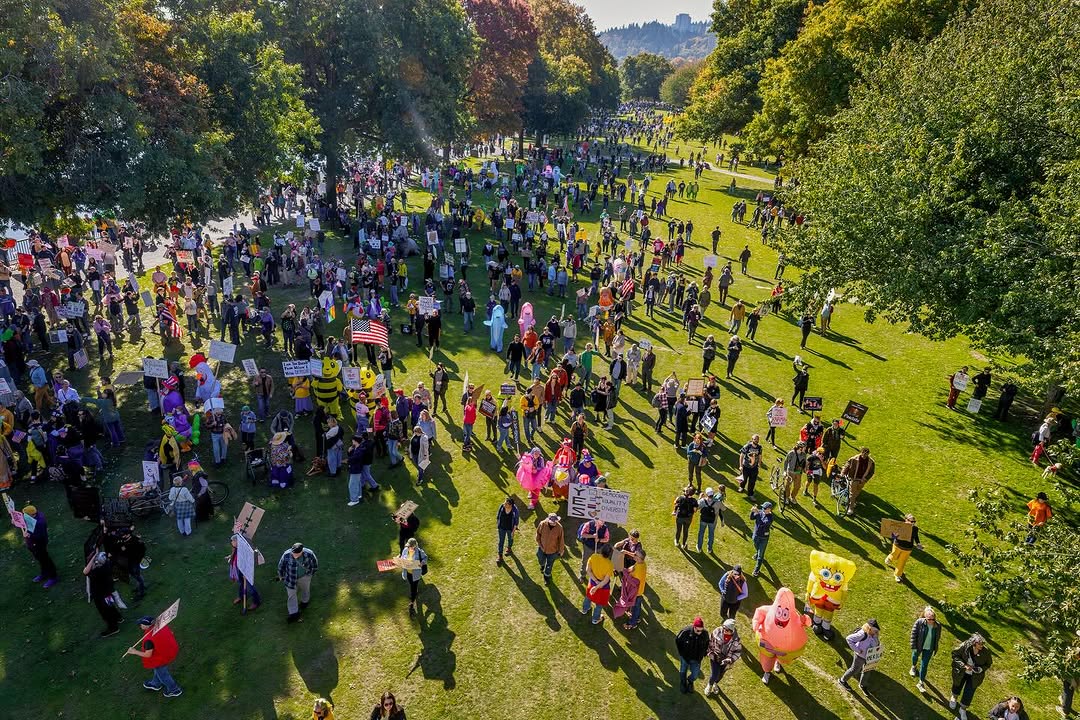
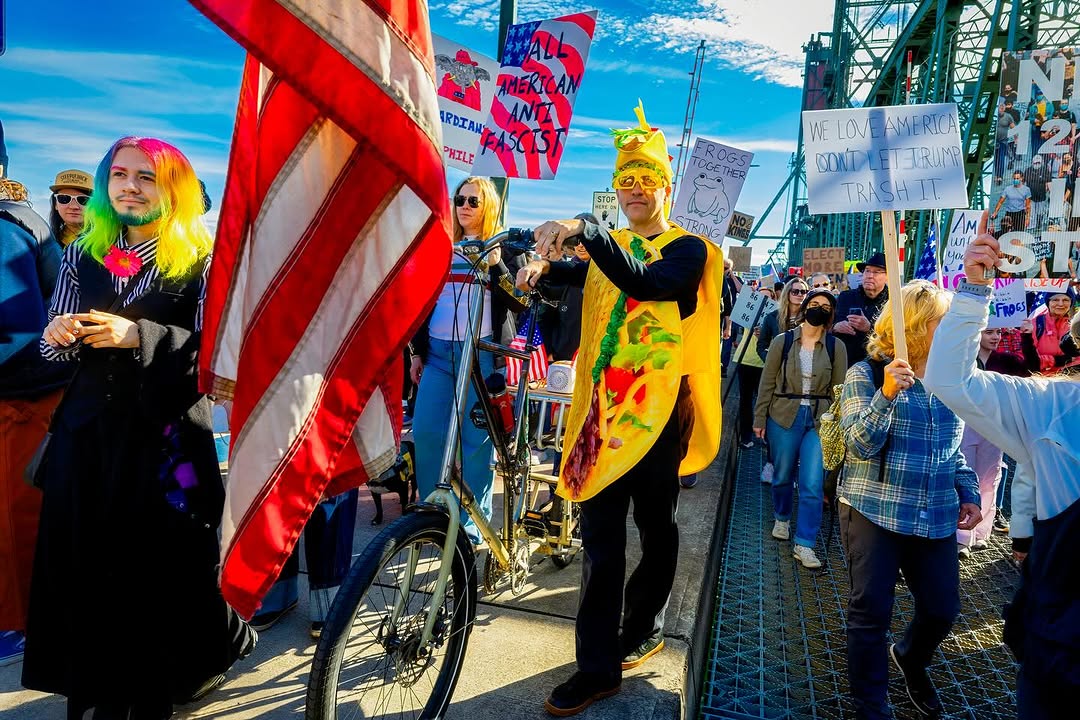
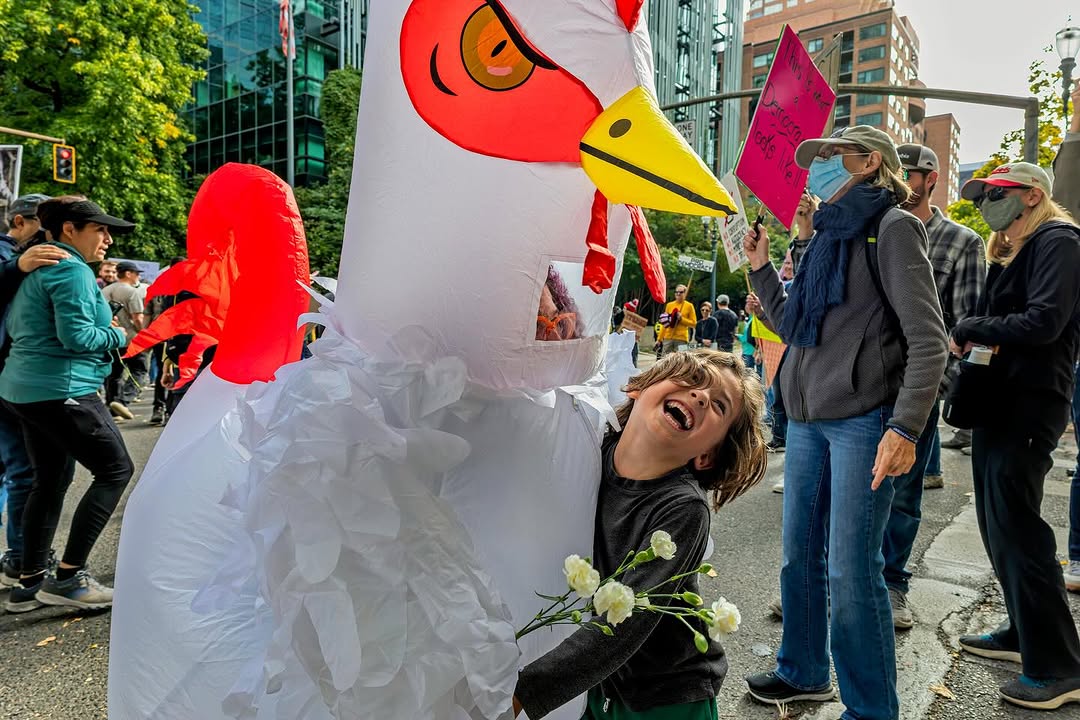


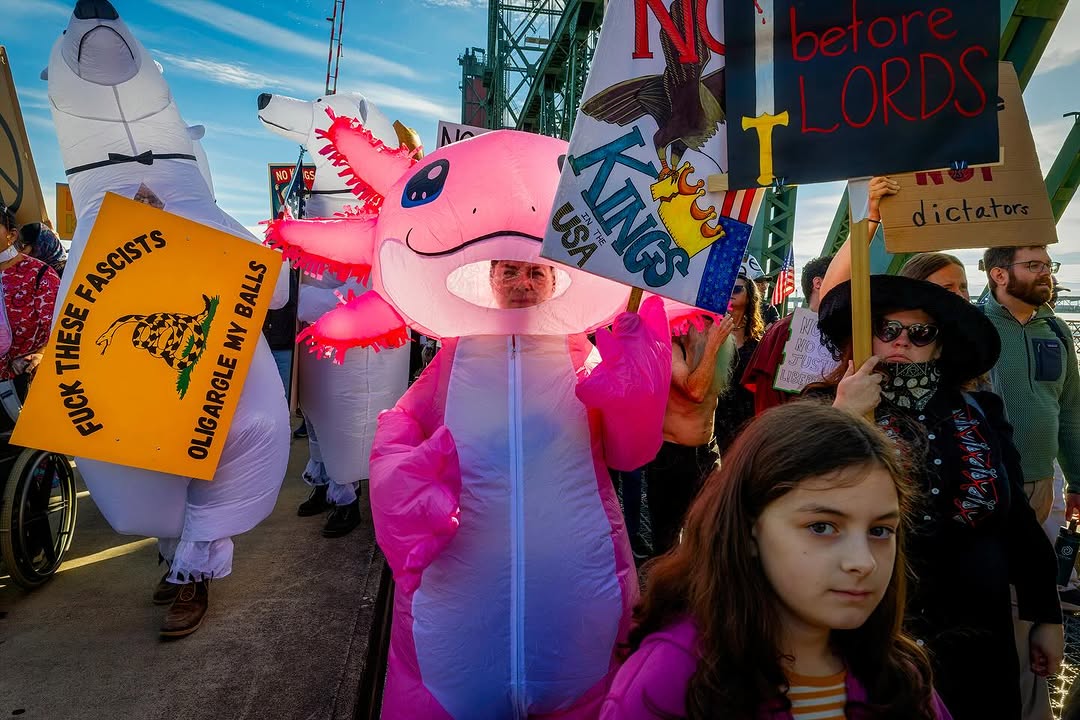
Leah Sottile writes about two Portlands—the real one, and the internet version. I’d add a third: the delusionist Portland that Trump and his lapdogs imagine has been burning nonstop since 2020. Portlanders protest injustice. It’s what they do—being so far away from oblivious power. They’ve turned dissent into an art form—with blow‑up cartoon animals and other wild, creative acts now echoing across the country, woven into the protests this weekend that drew more than seven million people—the biggest single day protest since 1970. Photos words @randyolson Forty thousand turned out in Portland alone. And across 2,700 protests in all 50 states, the total crowd was FOURTEEN TIMES LARGER than both of Trump’s inaugurations combined. A number like that should shatter a man who seems obsessed with comparing crowd size—as if it’s penis size—but then again, he’s always seemed delusional about both. From Paul Krugman: “Mike Johnson, the speaker of the house, called them “hate America rallies” consisting entirely of the “pro-Hamas wing” and antifa. Scott Bessent, the treasury secretary — remember when people thought he was the adult in the room? — said that the demonstrations would involve “the most unhinged in the Democratic Party.” And Karoline Leavitt, the White House press secretary, attacked the whole Democratic base: ‘The Democrat Party’s main constituency are made up of Hamas terrorists, illegal aliens, and violent criminals.’ These claims were all self-evidently absurd. So why make them? CNN says that it was a “weird strategy”: Calling grandmothers Hamas terrorists won’t convince anyone who isn’t already deep in the MAGA tank and will backfire as those not in the tank see the disconnect between this rhetoric and the reality of the protests. But it all makes sense once you realize that what we have been seeing in operation isn’t the Trump administration’s strategy for dealing with its critics. It is, instead, the strategies of individual MAGA apparatchiks for dealing with He Who Must Be Obeyed.” #showmeyourhellhole
2026-01-21
685
685

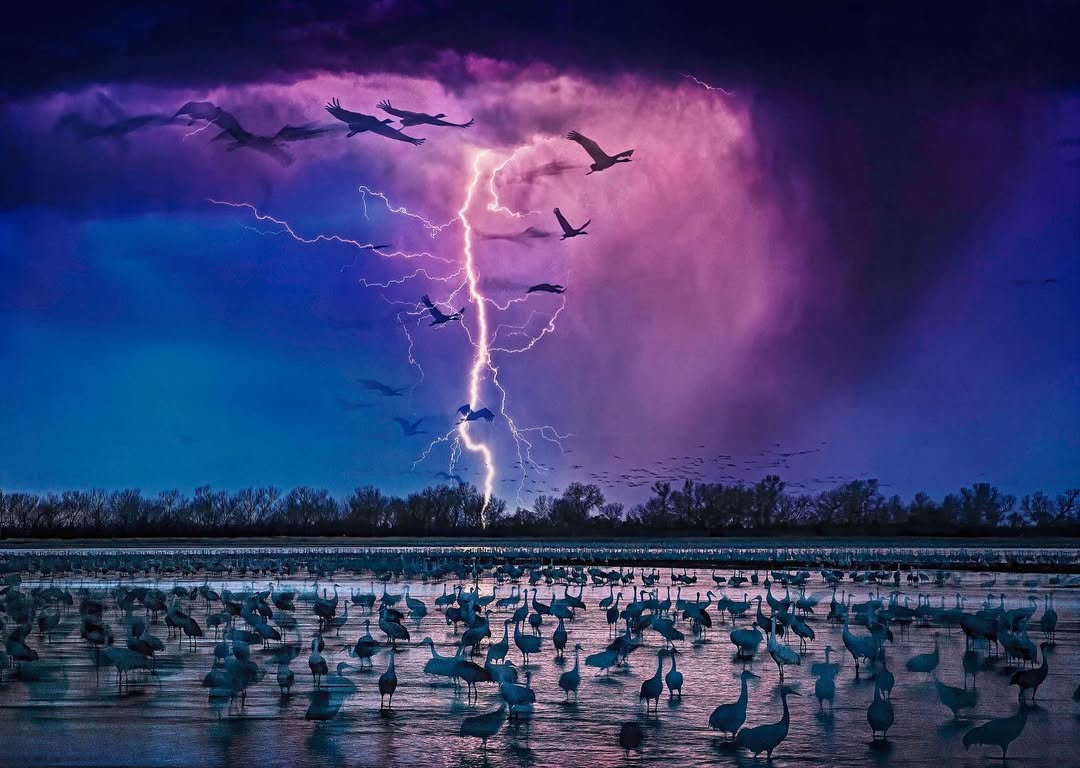
The night of this photograph, I bedded down in the blind that was a cold, plywood shack. I typically photographed cranes in the morning because they land at night and fly away as it gets light. There were thousands of cranes landing in front of the blind—and then the storm rolled in, and there was significant lightning right behind the birds. I put the camera on a tripod and started pumping the shutter, making sequential 30-second exposures. This shot captured the lightning and the birds in motion. I’ve never photographed this many objects in front of lightning, even though in the past I’ve done entire stories devoted to weather. There’s often a feeder strike that’s barely visible, and then the lightning strikes. The lightning actually explodes from the ground up. So when you look at the birds, because of the long exposure, you actually see them twice. They are lit once by the feeder strike (blurs) and the second time by the blast of lightning where they appear sharp. - Available @natgeofineart #cranes #storms #lightning #Nebraska @thephotosociety #weather
2025-10-09
5799
5799

Congratulations to Lazlo Kraszhanorkai, Nobel Prize for Literature. Announced today.

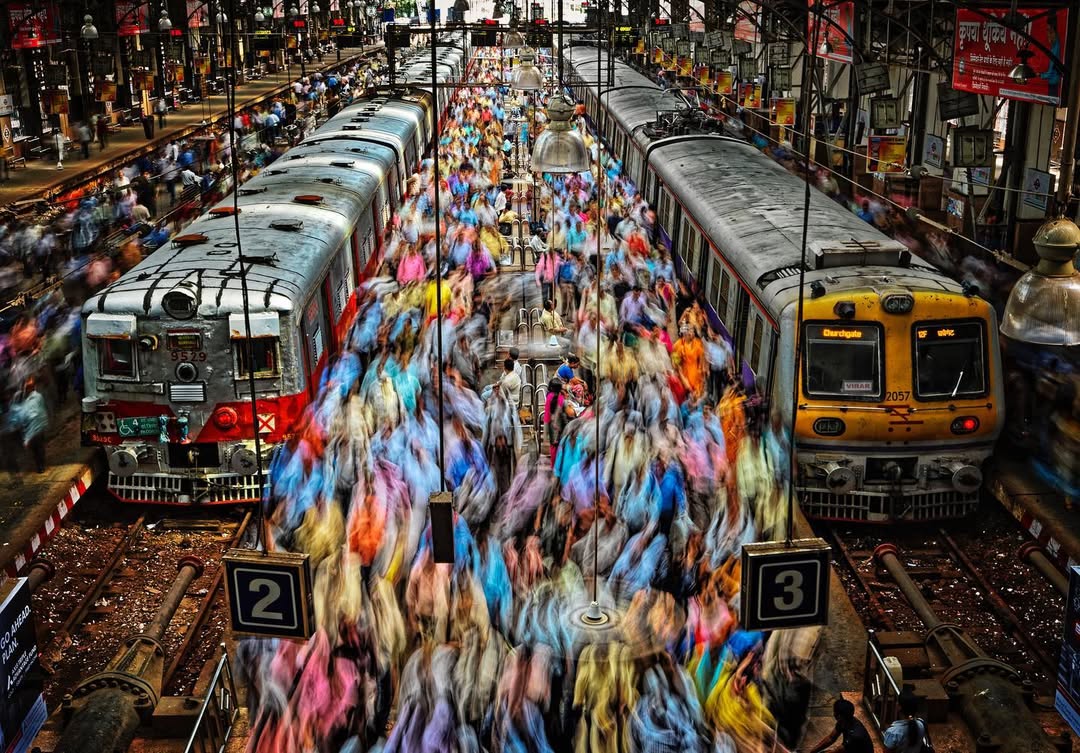
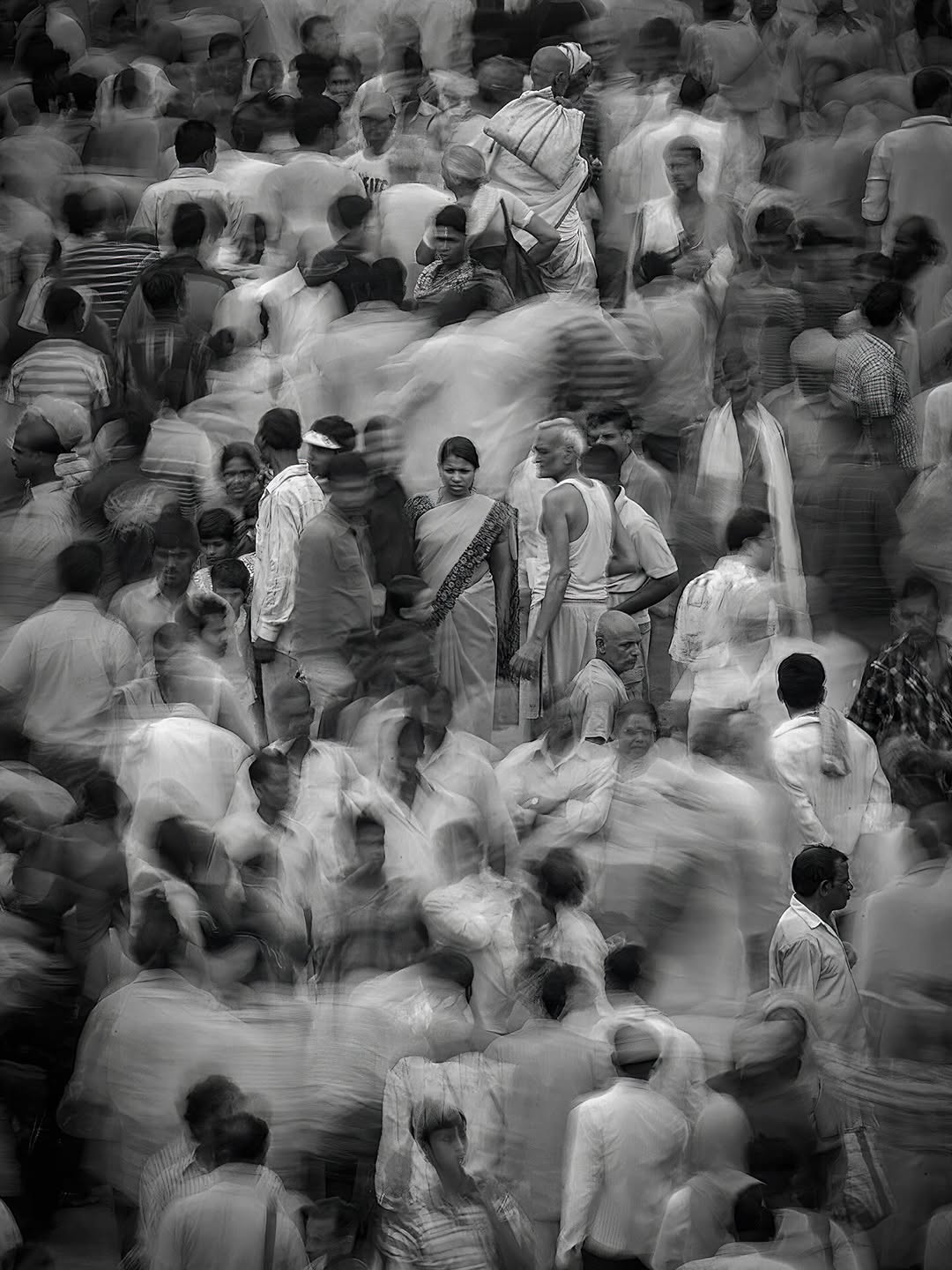
Hard to believe all travel is banned in India. On Tuesday, the Indian prime minister declared a national lockdown aimed at preventing the spread of the COVD-19 virus. Hoping our friends there are safe. @vinaydiddee #coronavirus #india #churchgatestation #railroads @thephotosociety @natgeofineart
2025-10-09
11237
11237


Here’s a test—since education and socialization seem missing in ICE enforcement: Who in the two photos could have their rights suspended? Photo one—man with brown skin Photo two—couple with white skin Trick question. I’d love to see the answers. ICE is allowed to use skin color to harm; colleges are forbidden to use it to help. Photos, words @randyolson ICE will bonus you $50K and only requires a GED—most won’t bite, but what about those bent on waging their own race war? A GED doesn’t guarantee the socialization you get from attending high school—where beliefs collide and you are forced to ground-truth your reality. College, community college, and trade schools continue that process beyond academics. Sure, folks with GEDs can be socialized in diverse, non-academic ways and excel beyond PhDs. But the danger is in those who jump from one racist bubble to another. Now it seems we’re arming and masking men—many with the social skills of eighth graders—giving them power to slam elderly gardeners’ heads into the pavement—solely for the color of their skin. That’s the world Trump seems to have always wanted: finally realizing what he and his father dreamt for their tenants of color in Queens. Today’s Supreme Court echoes the 1920s KKK—openly enforcing Jim Crow then, and now in the 2020s they cloak it in law enforcement. In less than a decade, thanks to one racist and lap dogs, we’ve lost a century of progress. It’s so out of balance, Justice Sotomayor urges public resistance: “Advocacy starts with us.” Meanwhile, detainees face crowding, forced medical procedures, abuse, endless solitary—torture by UN definition. Twenty-three deaths since 2021, mostly medical neglect. Some chained for hours with no toilet, forced to urinate on the floor. ICE has arrested U.S. citizens—sometimes violently. 71 percent have no criminal record. 93 percent have no violent convictions. And Trump? He has 34 felony convictions and is libel for civil sexual abuse. The whims of a racist felon now mean locking up citizens who’ve lived more lawfully than he ever has.
2025-10-09
882
882


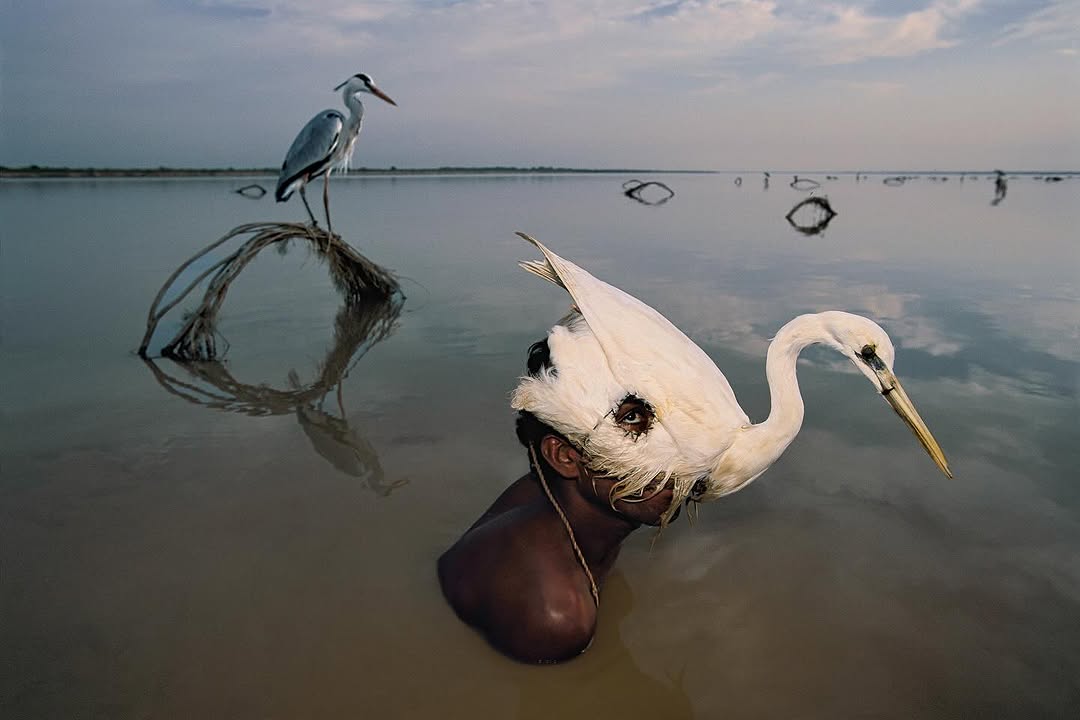
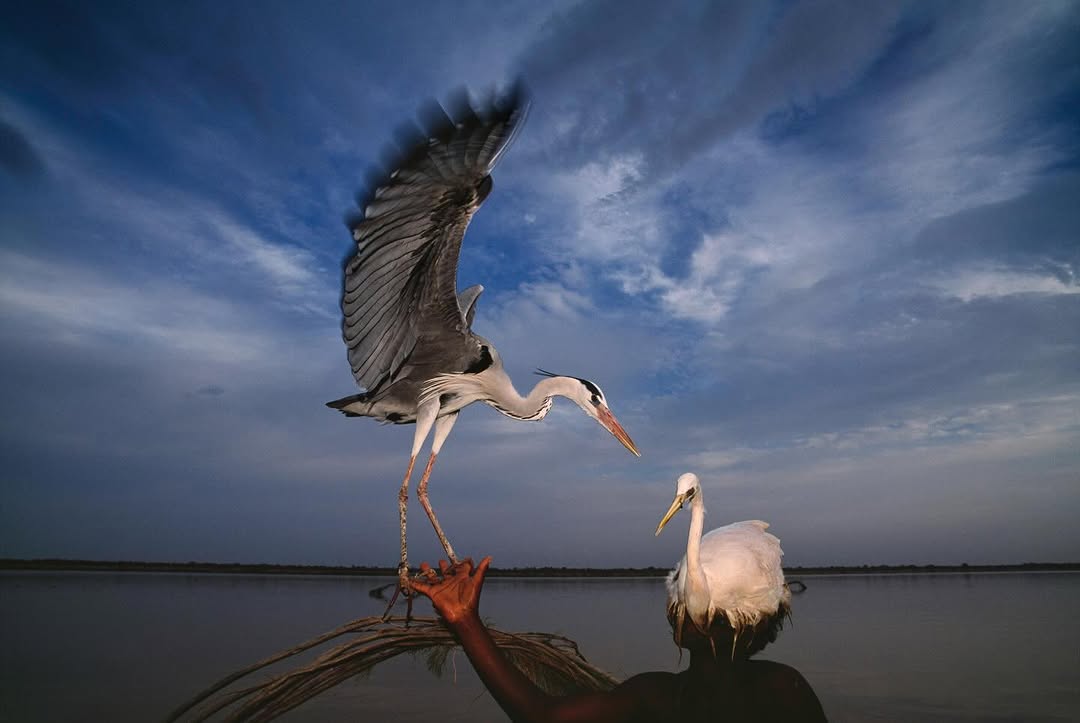
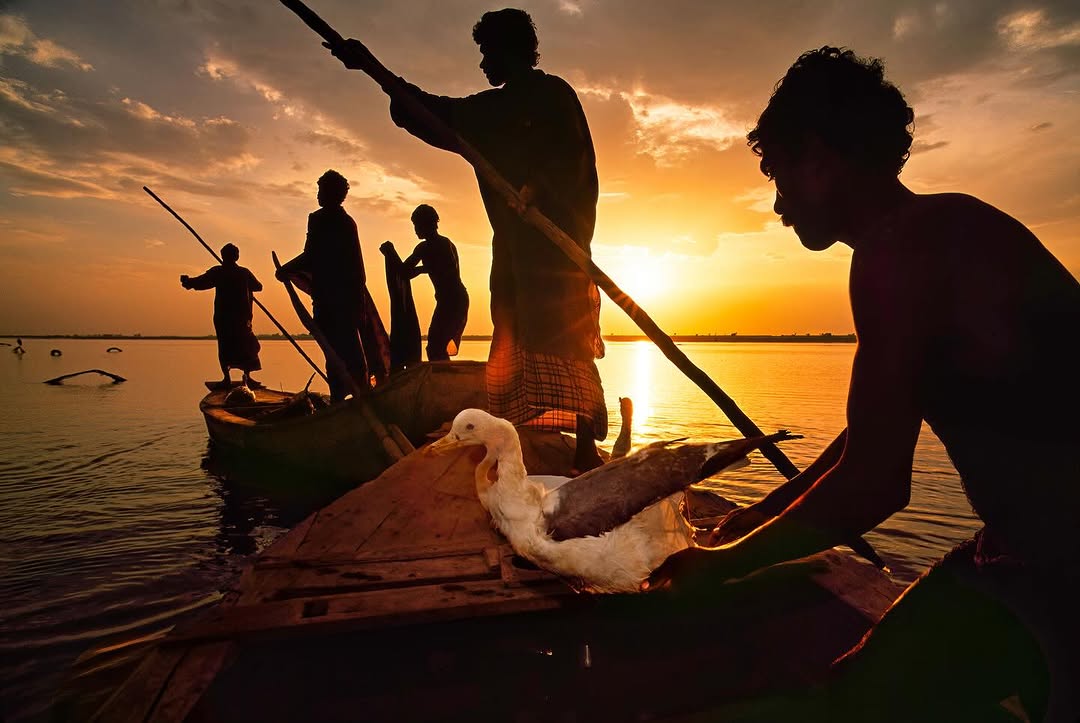
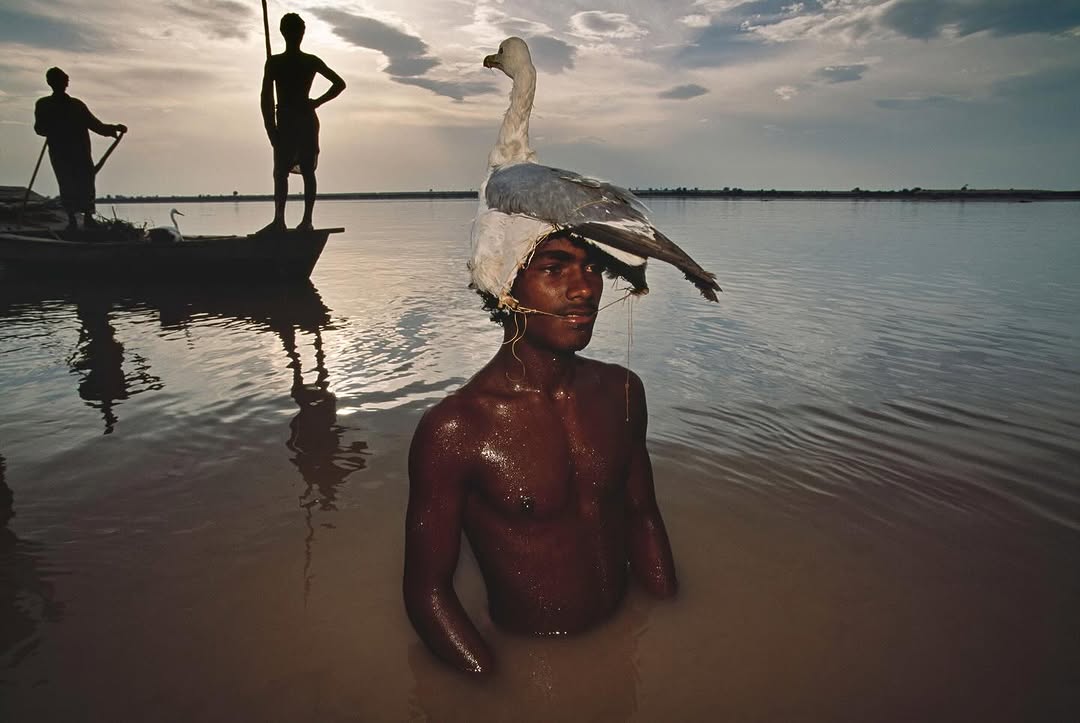
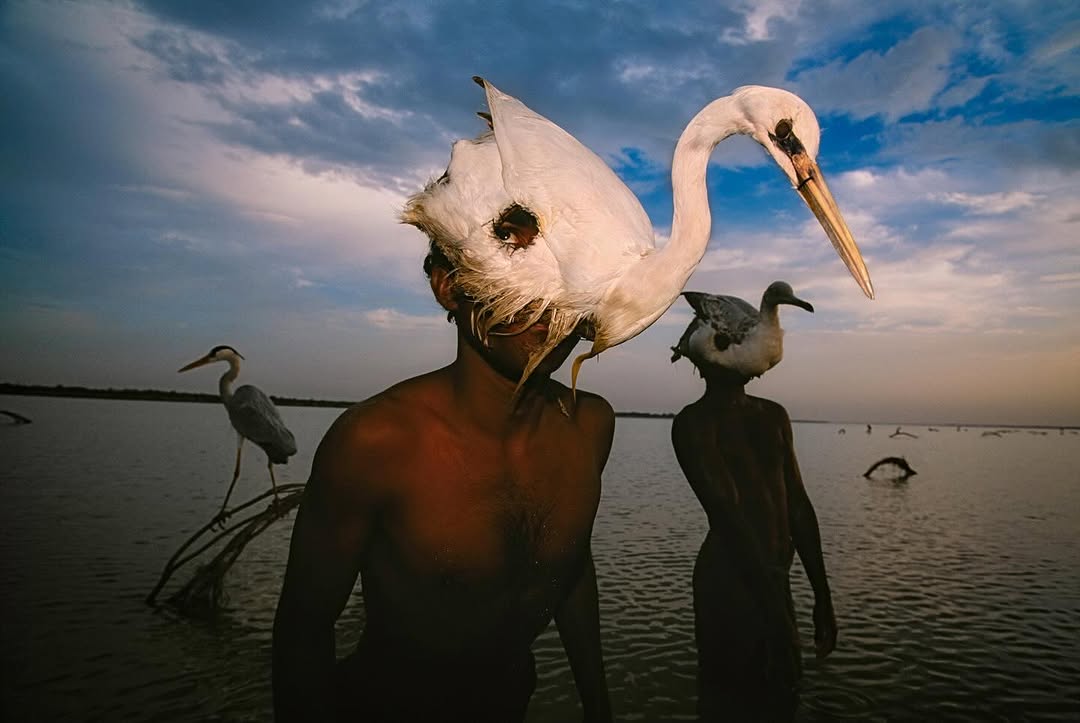
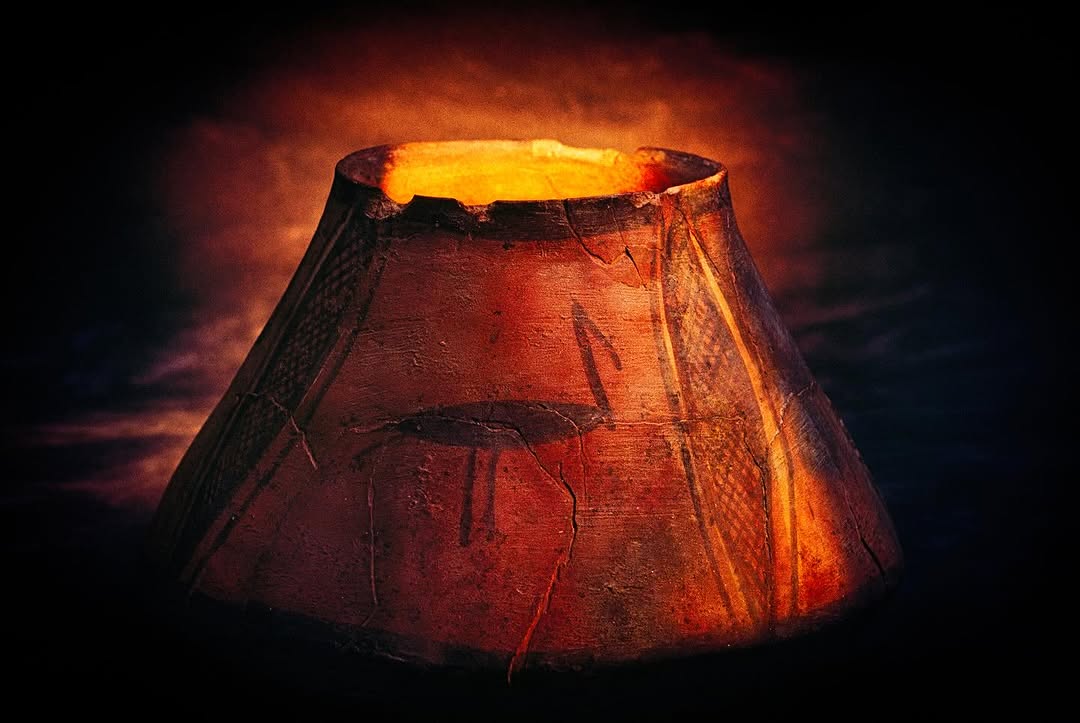
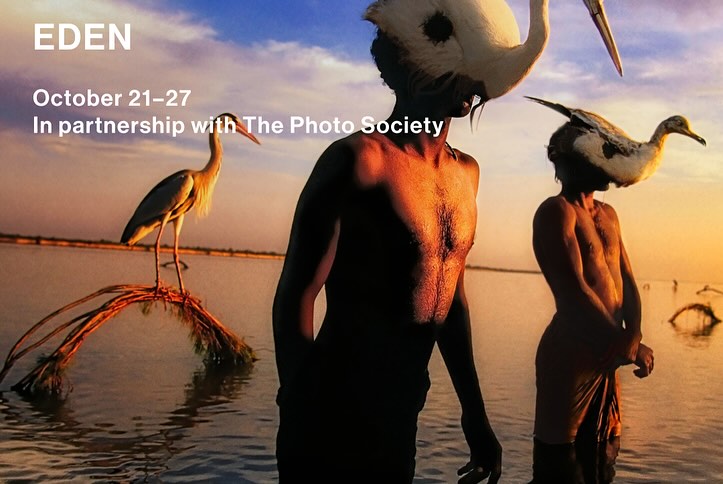
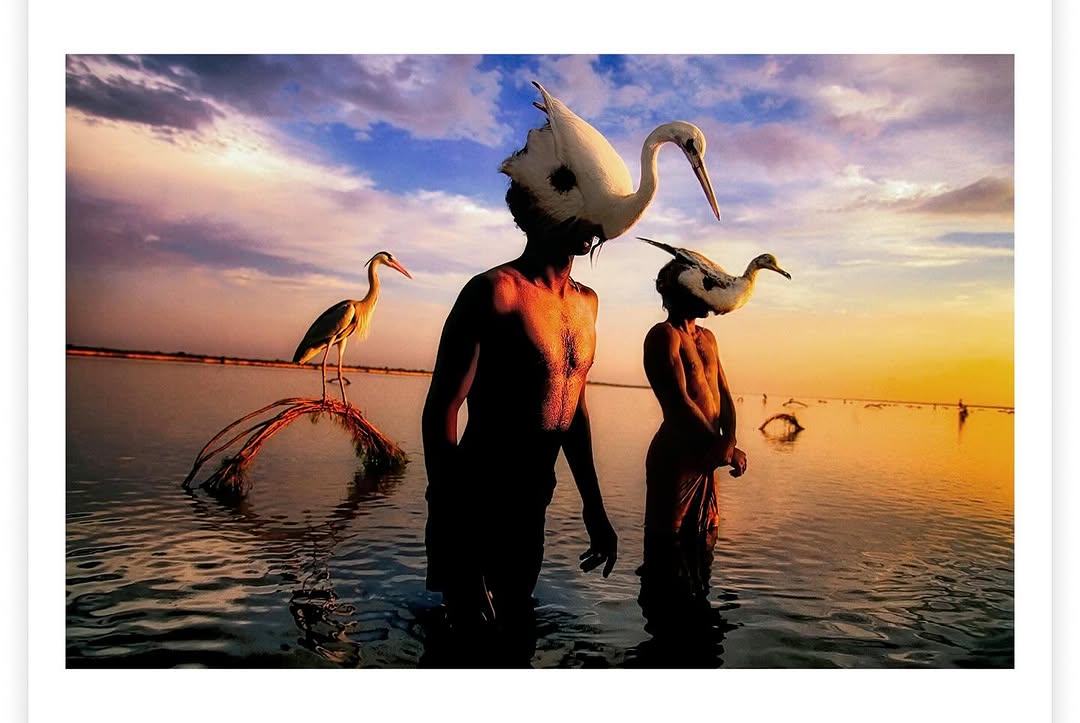
The @magnumphotos Square Print Sale is on until Sunday, October 27, in partnership with @thephotosociety. Link in bio. This is an excerpt from the Guardian story about these photographs: These bird hunters are near a Harappan archaeological site in the Indus River Valley and employ techniques depicted on ancient terra cotta pots from 5000 years ago. The region around Mohenjo Daro was notorious for kidnappings. It was a lawless area with groups of bandits operating together. We ventured beyond the protected area of the archaeological site and I saw a group of men carrying carefully wrapped bird heads, and arranged to join them the following day. I had been assigned a lone guard with an AK and I knew the bandits worked in groups of six. I asked the guard what would happen if they confronted us. He said “either they are lucky or I am lucky.” I got rid of the guard who was willing to start a firefight because the kidnappers hadn’t ever hurt anyone… they just wanted the money. I’d rather National Geographic ended up poorer than I end up dead. These people that do these ancient traditions are poor. They hunt to feed their families. They wear bird hats made from herons they’ve previously captured and eaten, and tie other live herons to hoops as decoys, as seen in the picture. They submerge themselves up to their chins, mimicking birds to attract waterfowl. When the birds approach, the hunters grab them by hand. Twice, I’ve woken up to find the airport I was supposed to fly into had been burned to the ground. And there’ve been times when I’ve gone to extreme lengths to get somewhere, like in Sudan, where dust storms thwarted my plans for aerial shots after weeks of preparation. Once you get through all the travel and finally are in front of a scene like this, the real fear is you will miss the opportunity to capture something extraordinary. Yet, the few successes make it all worthwhile.
2025-10-09
2820
2820


Take away. Take away. Take away. In a slow-moving coup, there is a shift of millions of low- and middle-income Americans from PHOTO ONE to PHOTO TWO—from EXCESS to SCARCITY. It’s not just that White-Actual-Criminals go free while Brown-Legal-Residents are sent to gulags.There is also SO much loss to average Americans, and that loss is only offset by a savings of $136 billion—a mere 1.94% of the U.S. budget. These paltry savings flow to the police state: the National Guard, $75 billion to ICE and $795 million for surveillance. The rest—mostly the ultra-rich. Photos,words @randyolson Trump is bankrupting 250 years of American capital—thinking it’s his and his alone to squander. We now have fewer manufacturing jobs than before the pandemic. The good news is both Hitler and Orban turned around ailing economies. Trump is doing the opposite with only 24% that “strongly approve” and other approvals underwater. This is a PARTIAL list of LOSS: Cancer research CDC: $3.5B Civil rights, affirmative action Consumer Financial Protection Chemical & clean water oversight Cybersecurity & Infrastructure Security Dept. of Education Earth and environmental research EPA: $2.46B, environmental grants Family support, elder care, youth programs FEMA, NIH: defunded Global health (USAID): HIV/AIDS, malaria, TB, nutrition Medicaid: $400B cuts over 10 years Medicare: $540B mandatory (BCA) cuts over 10 years Housing: Section 8 and homeless assistance, Native American and rural housing Watchdog layoffs slash audits by 20–30% 58,000+ federal workforce jobs eliminated Meals on Wheels Military/security aid to protect Latvia, Estonia, Lithuania from Russia while Kremlin influence programs gutted mRNA research NASA/NOAA climate satellites canceled/decommissioned National Endowments for Arts, Humanities, Museums GAO investigations blocked Pell Grants, TRIO, GEAR UP, FSEOG, Work-Study Public health infrastructure, pandemic response SNAP, WIC, school meals Social Security Admin: security breaches Student loans Tariff induced inflation Vaccines University/hospital research grants
2025-10-09
441
441
